
Locality
Prototype
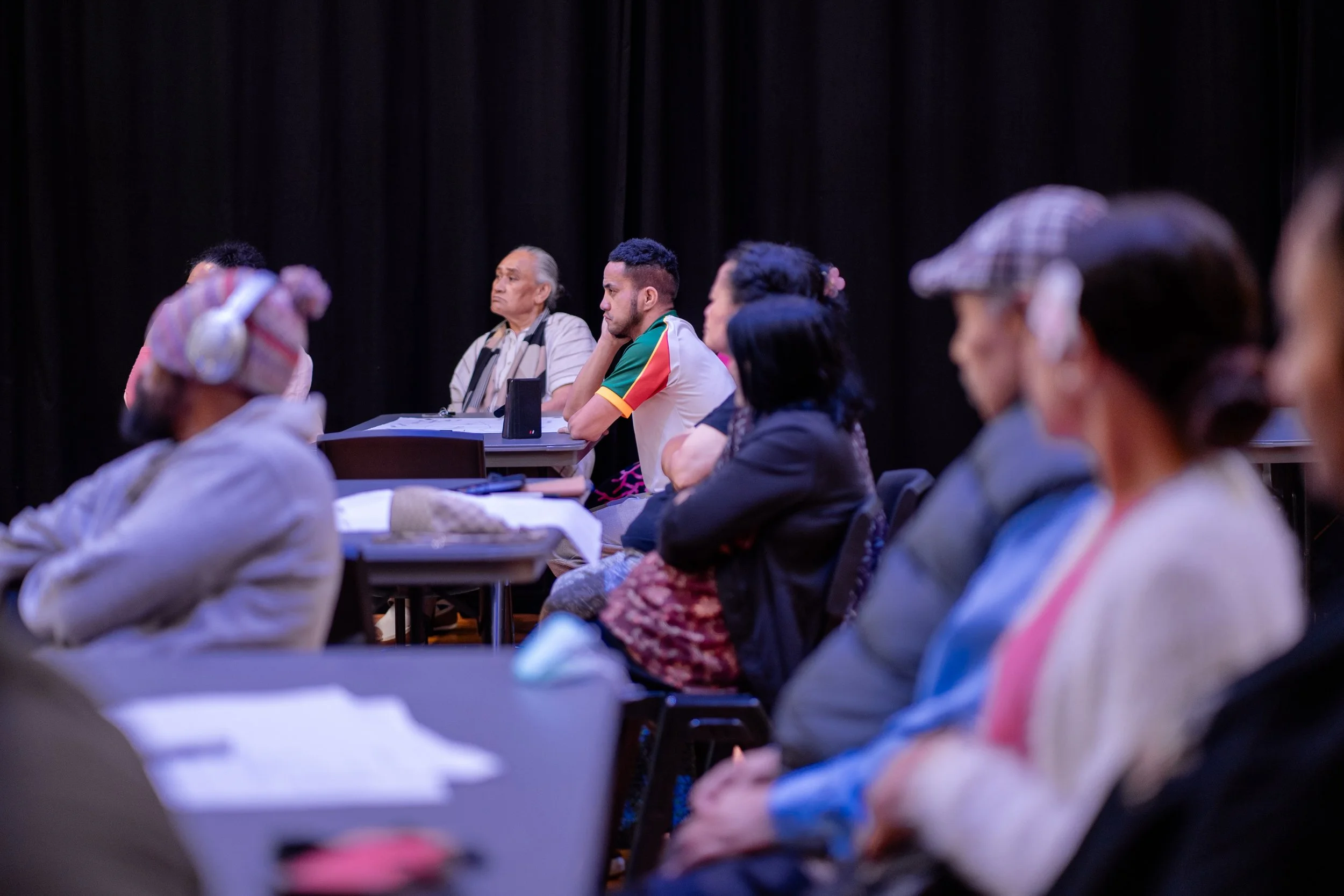
The Locality was driven by whānau and community voice that encompassed a culturally informed integrated healthcare model.
Le Afio’aga O Aotearoa originated from the Pacific locality prototype work delivered through Te Whatu Ora/Health New Zealand, the collective was selected to trial and further develop the Localities approach in Aotearoa, specifically working towards achieving community aspirations for the Ōtara-Papatoetoe region. With a collective vision of empowering families and a strong and interdependent community, 20 Le Afio’aga O Aotearoa partners (mix of diverse groups including mana whenua, religious organisations, sports groups and not-for-profit organisations) formalised their commitment within a locality charter. This work launched collective effort to develop a locality plan to support the organising of primary and community care service provision for our community. Le Afio’aga O Aotearoa’s approach was driven by whānau and community voice that encompassed a culturally informed integrated healthcare model.
Through Le Afio’aga O Aotearoa’s community engagements in gathering whānau voice, the following priorities areas of Child & Maternal Health, Mental Health, Community Outreach and Workforce Development. Through these priorities the Le Afio’aga O Aotearoa was able to activate a sequence of collective activities that supported communities through these various priorities.
Child & Maternal Health
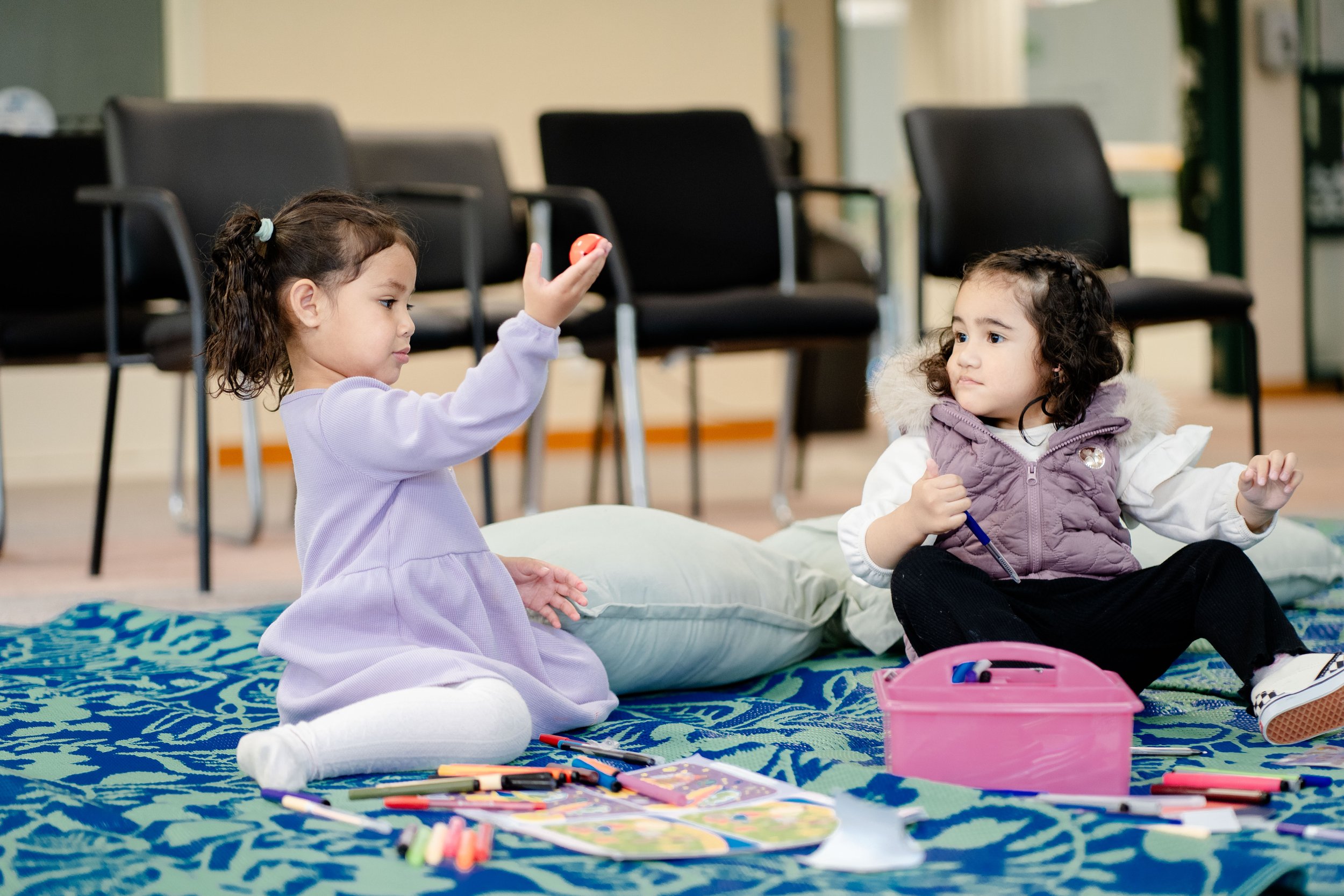
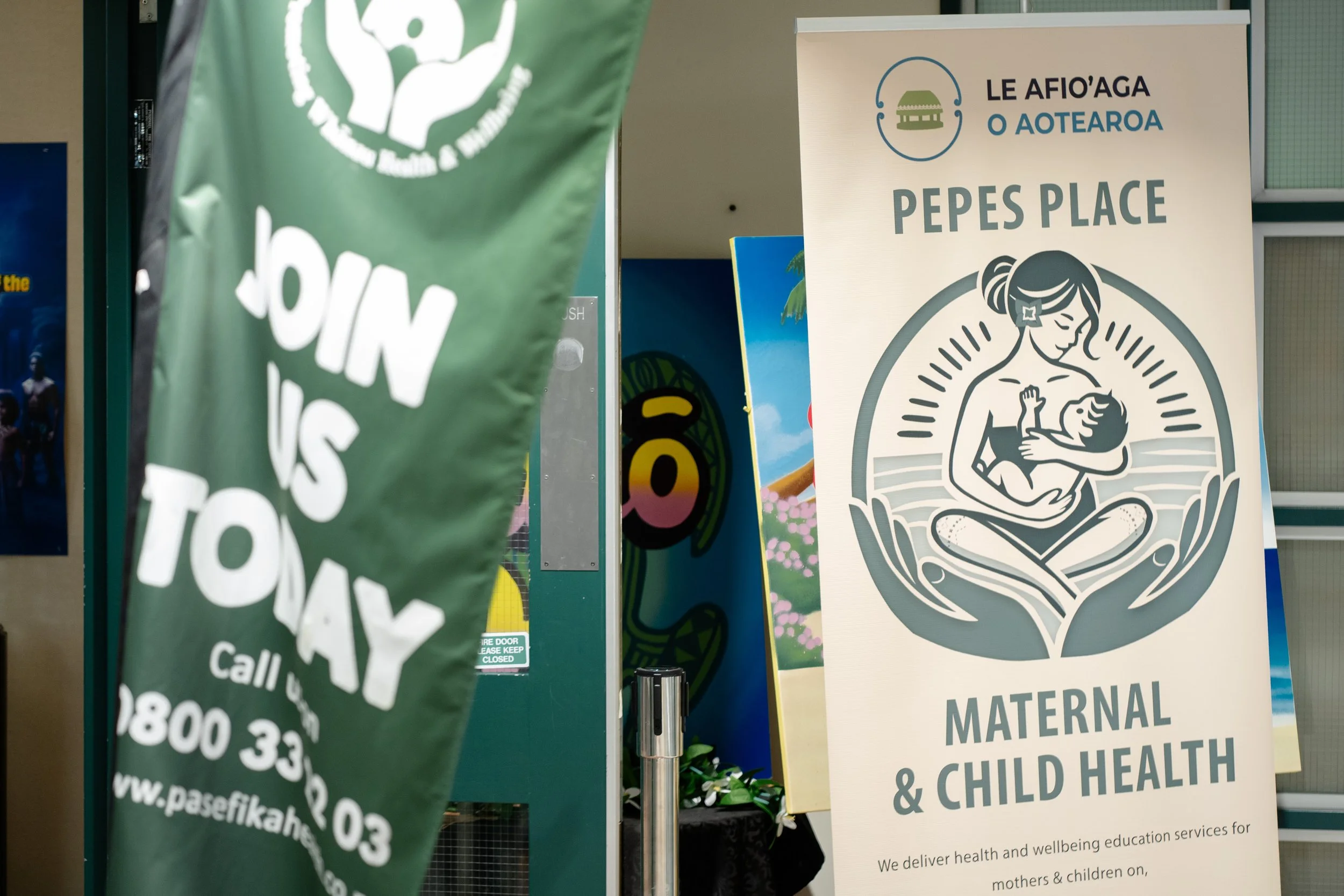
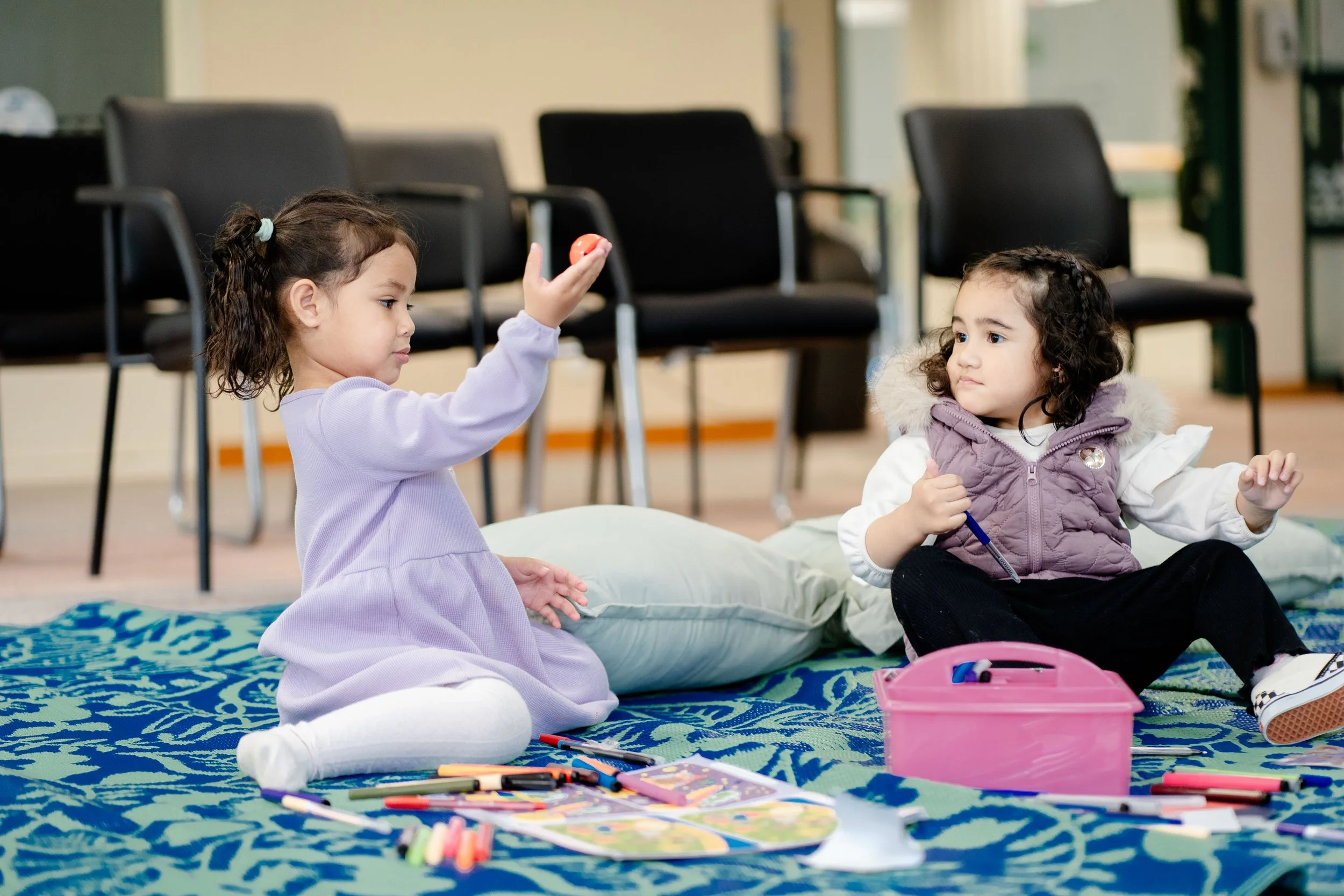
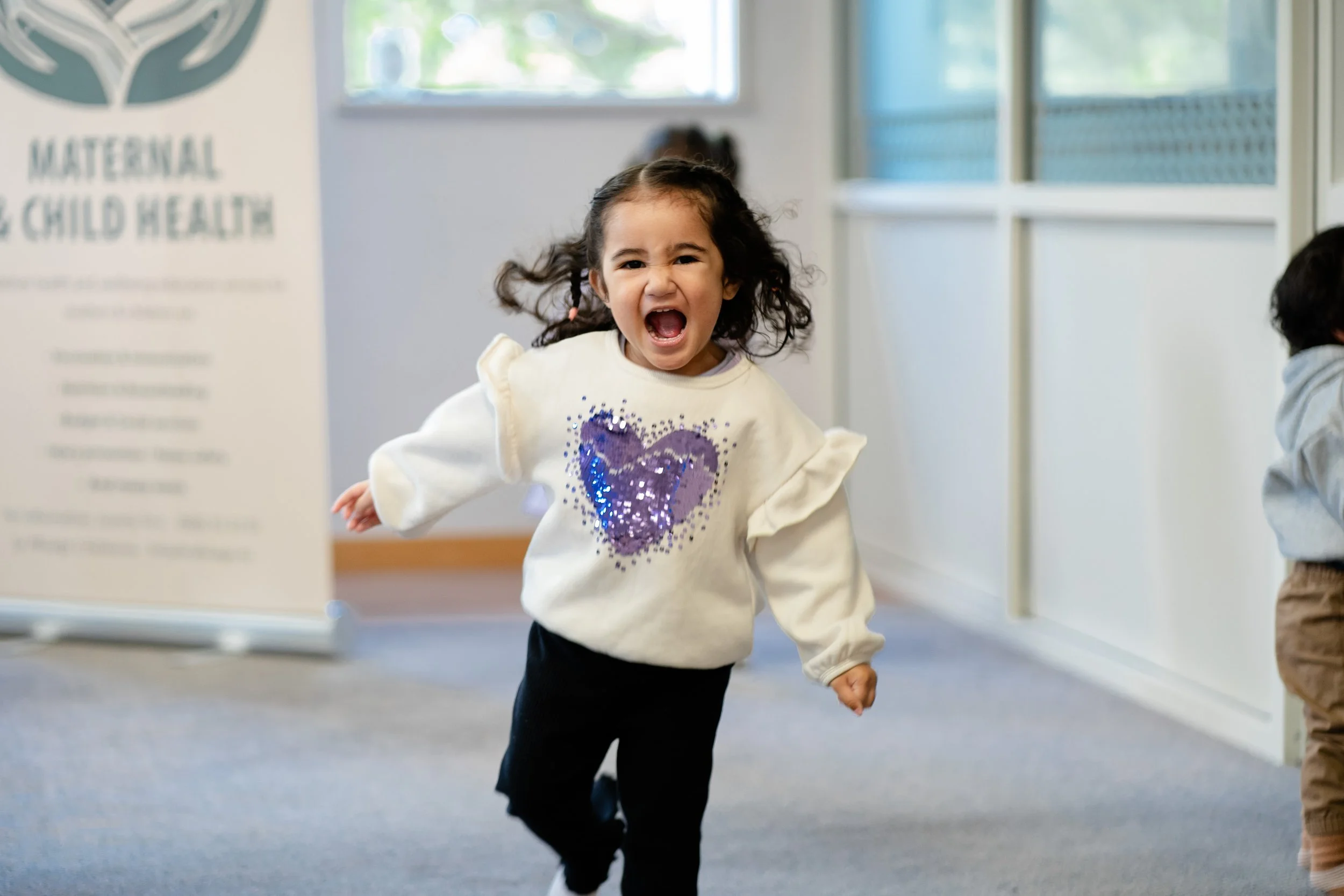
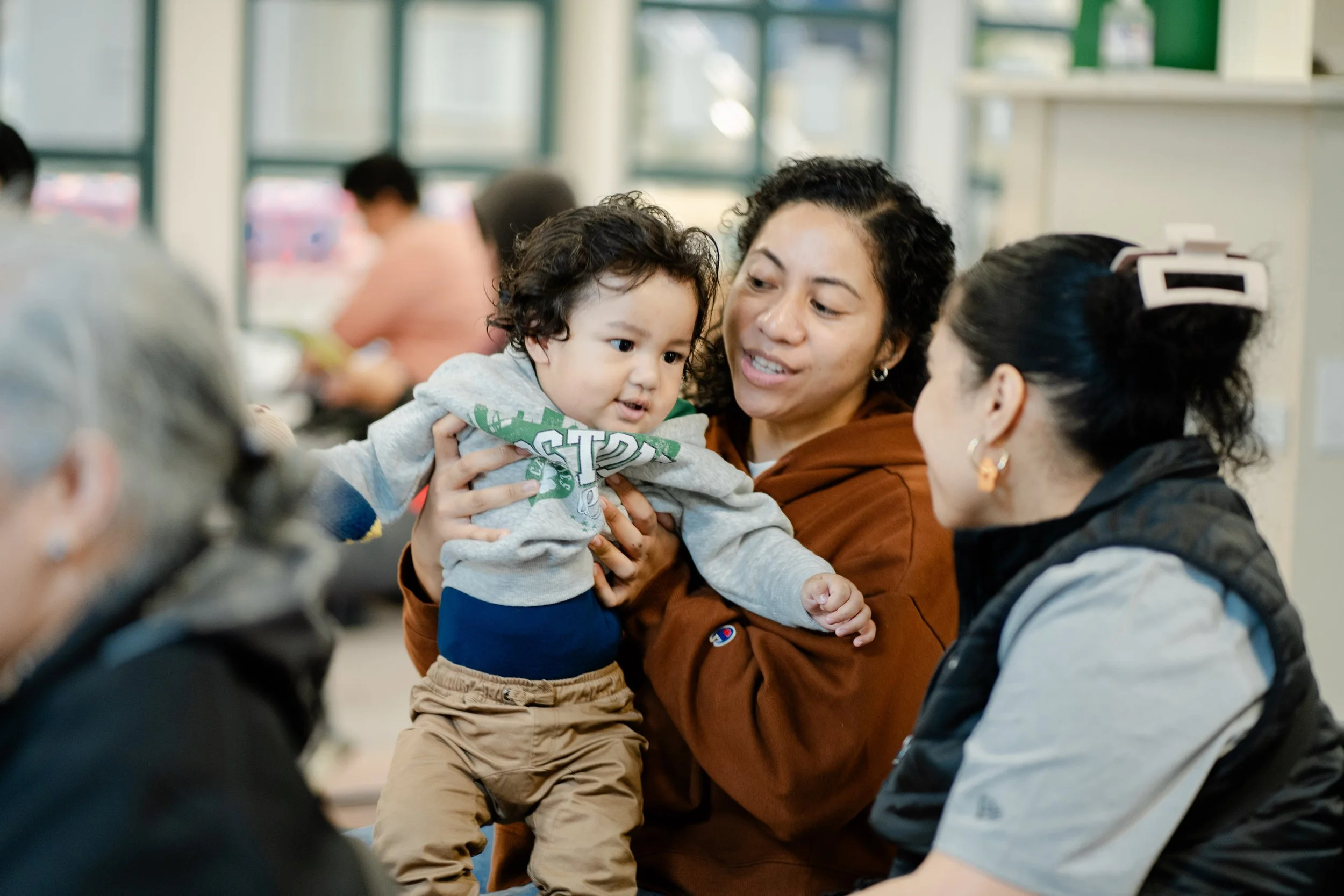
This workstream supported the health and wellbeing of children, mothers and families through a community hub of supported called “Pepe’s Place”. This programme was led by Pasifika Family Health Group. Pepe’s Place was a community-centered service that promoted child and maternal health through accessible, interactive education on topics like vaccination, nutrition and safety. With a 3-tiered approach – family support, referral networking and targeted education – this strengthened family wellbeing by providing tailored resources and programmes to meet community needs.
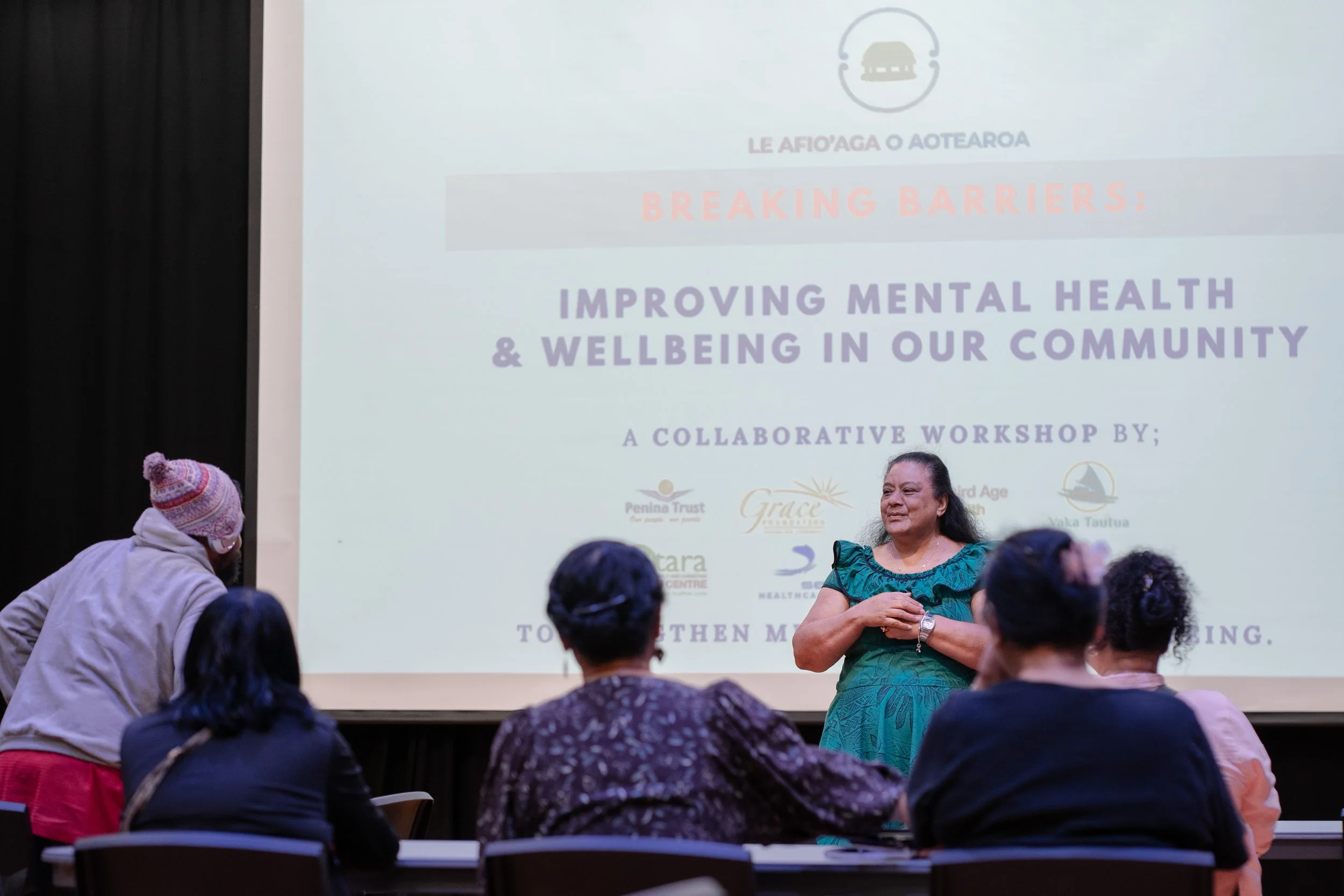
Mental Health & Addictions
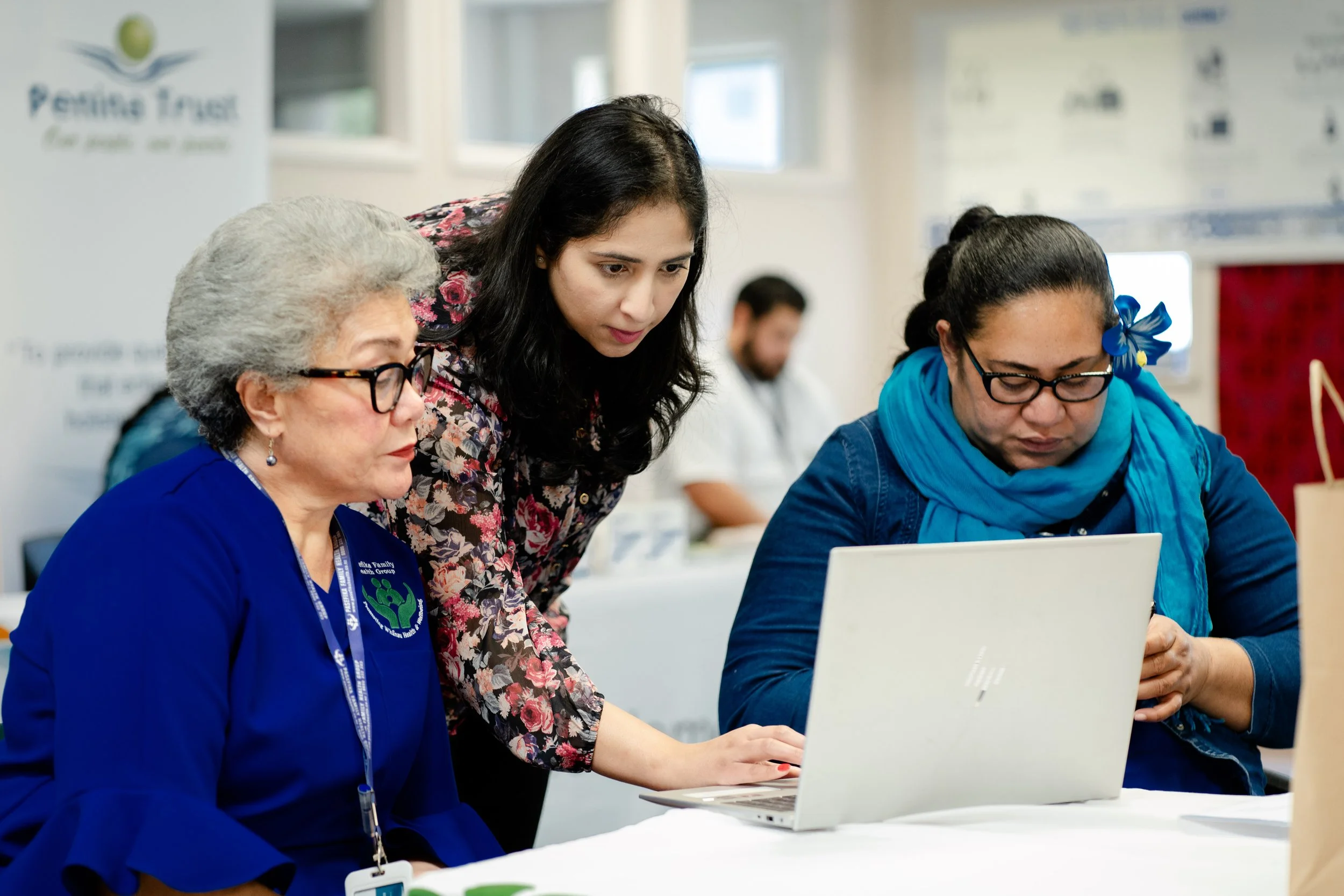
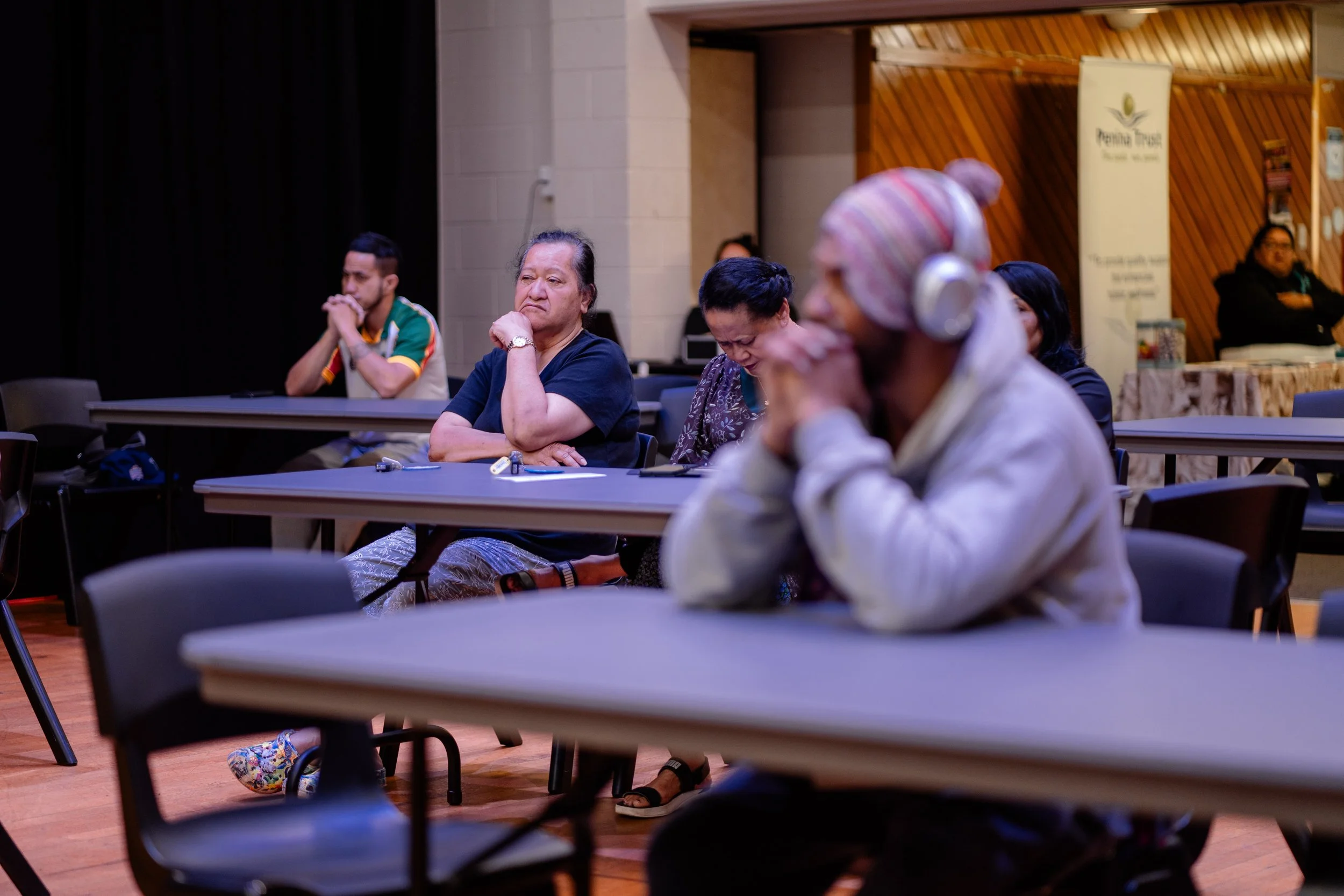
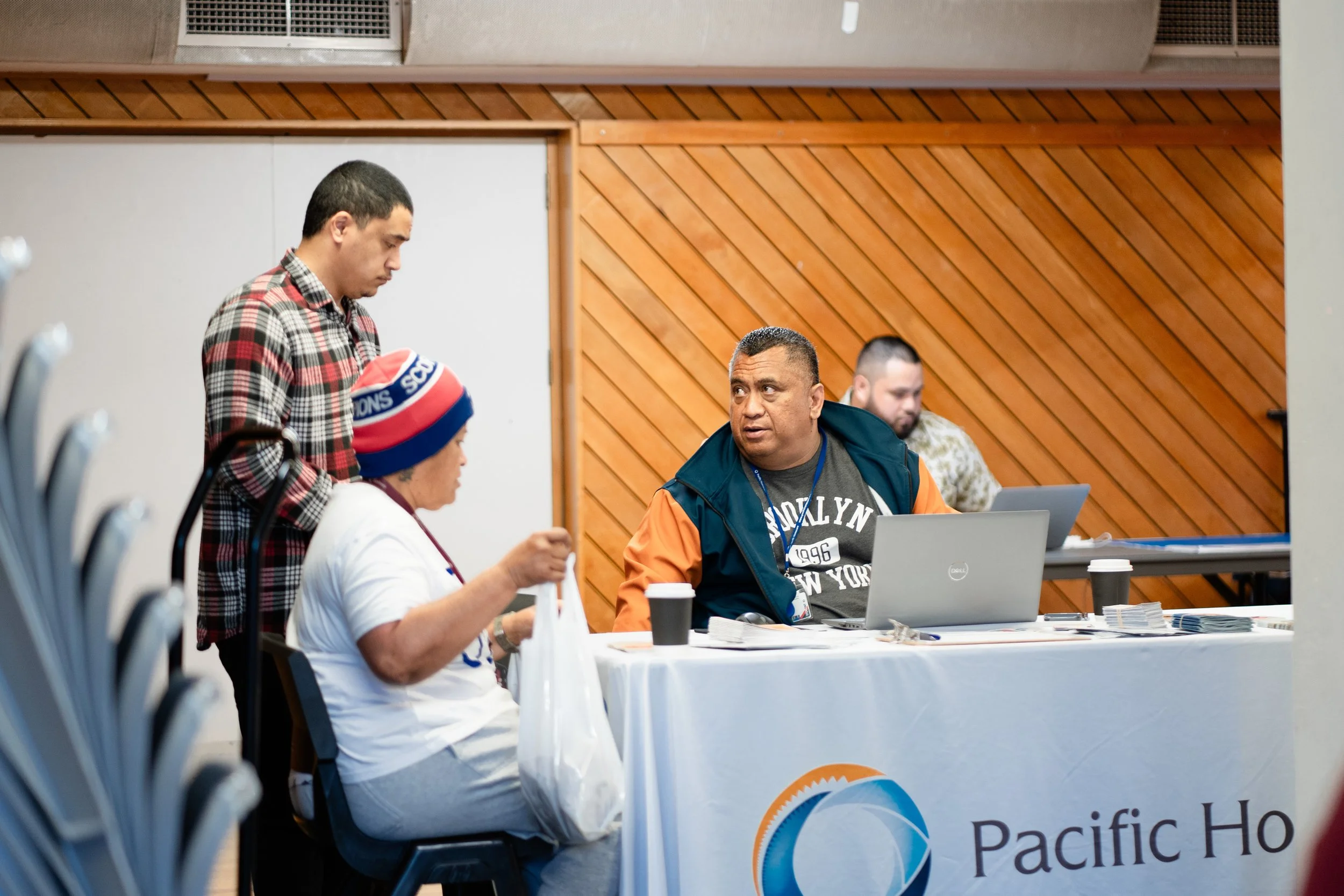
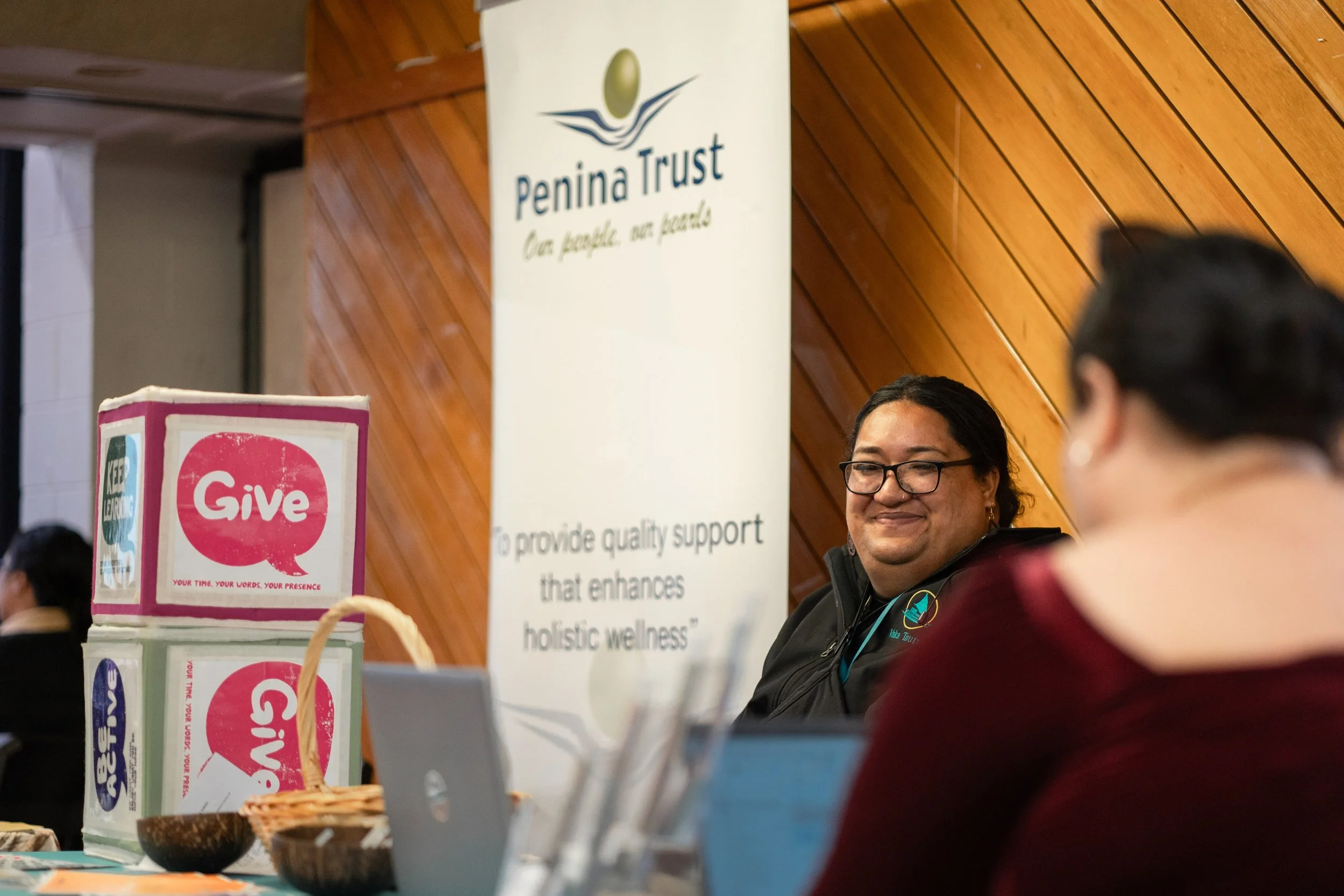
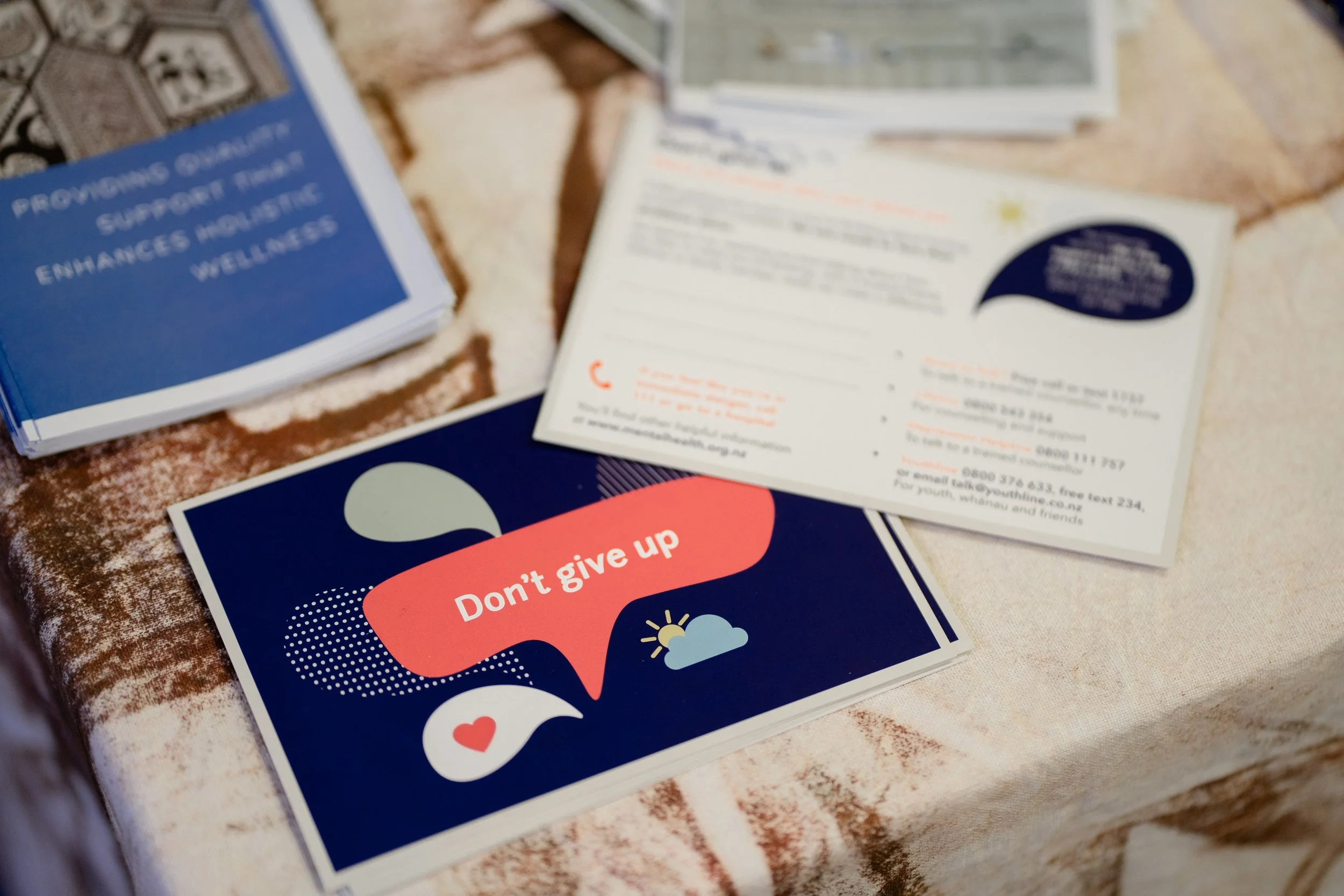
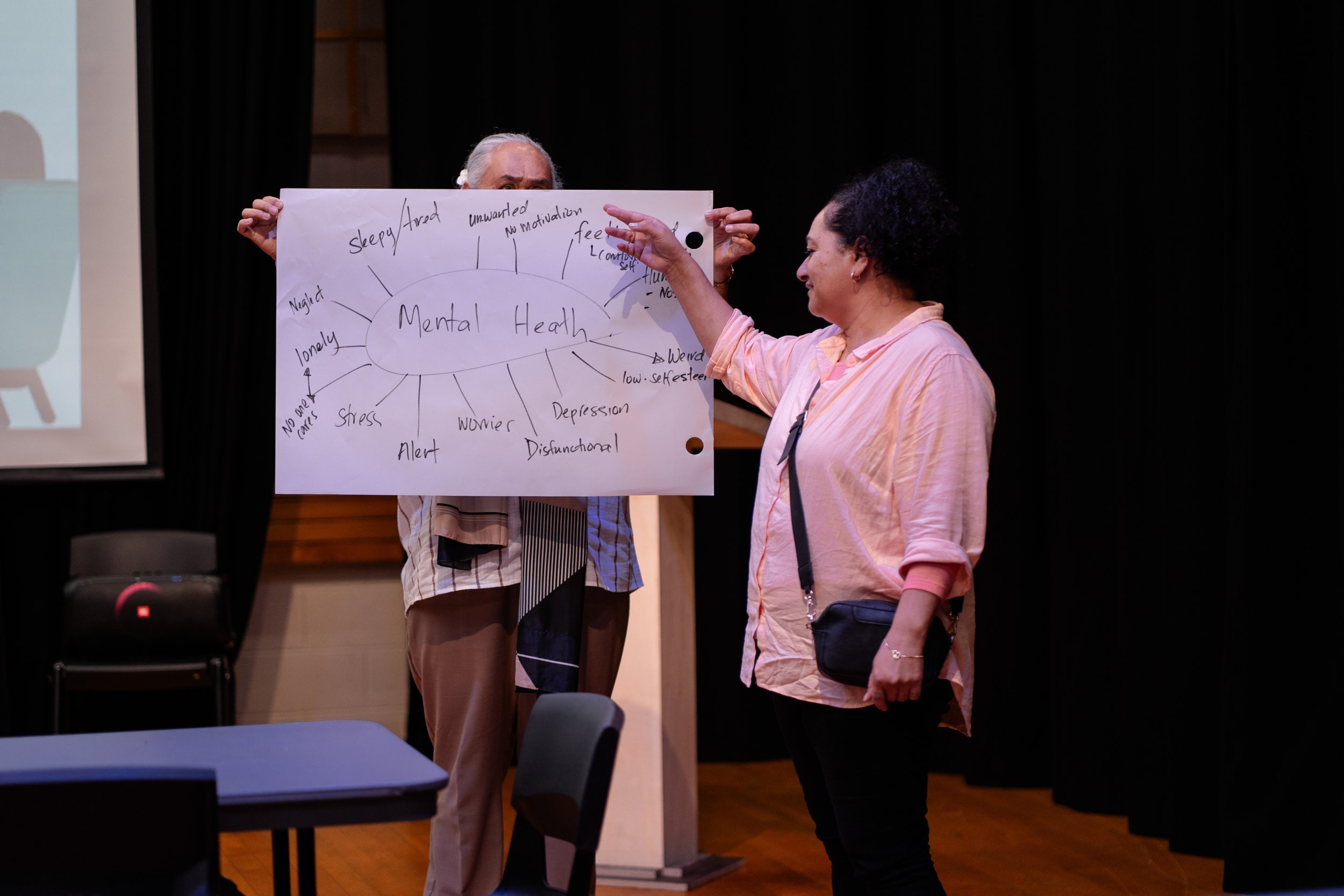
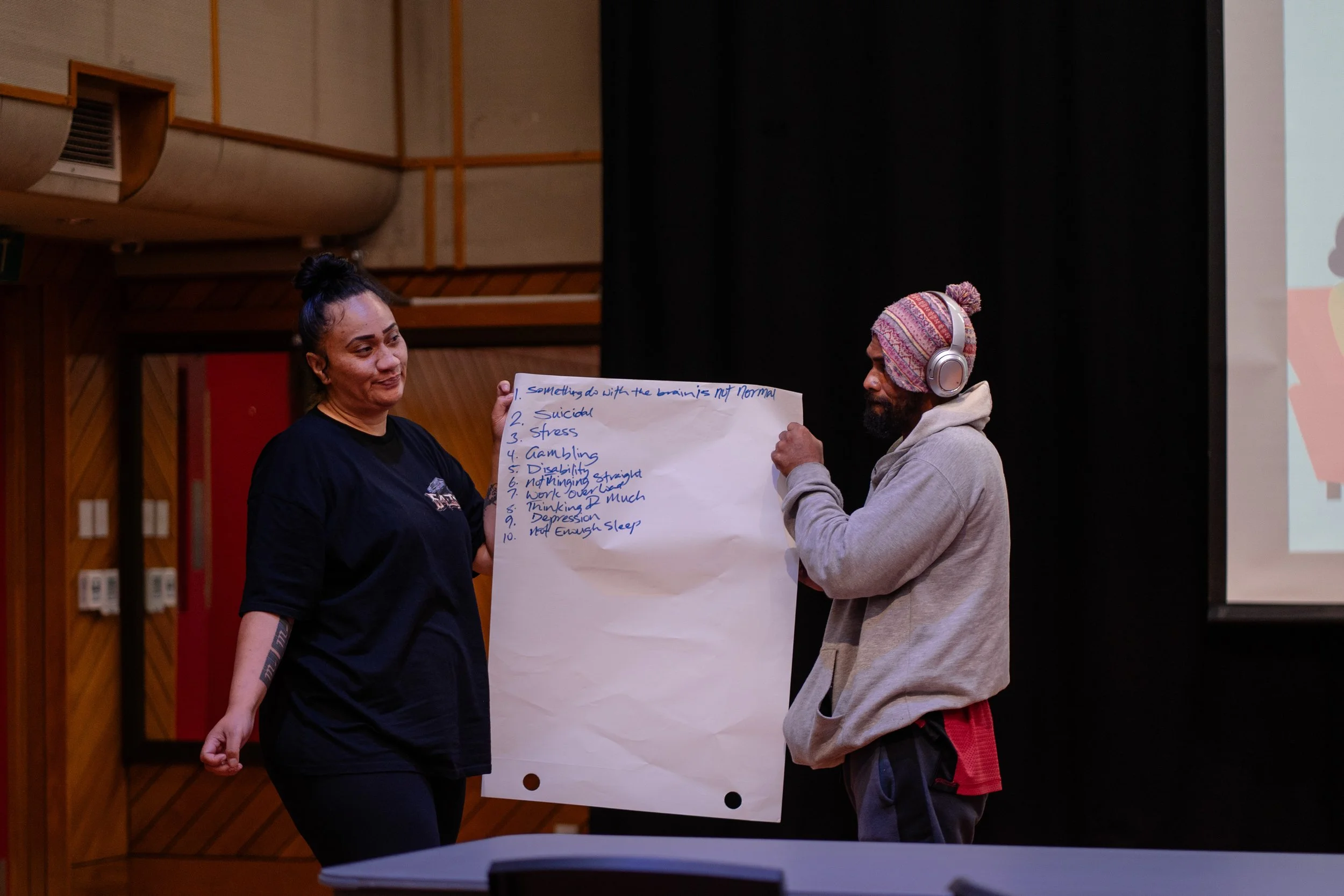
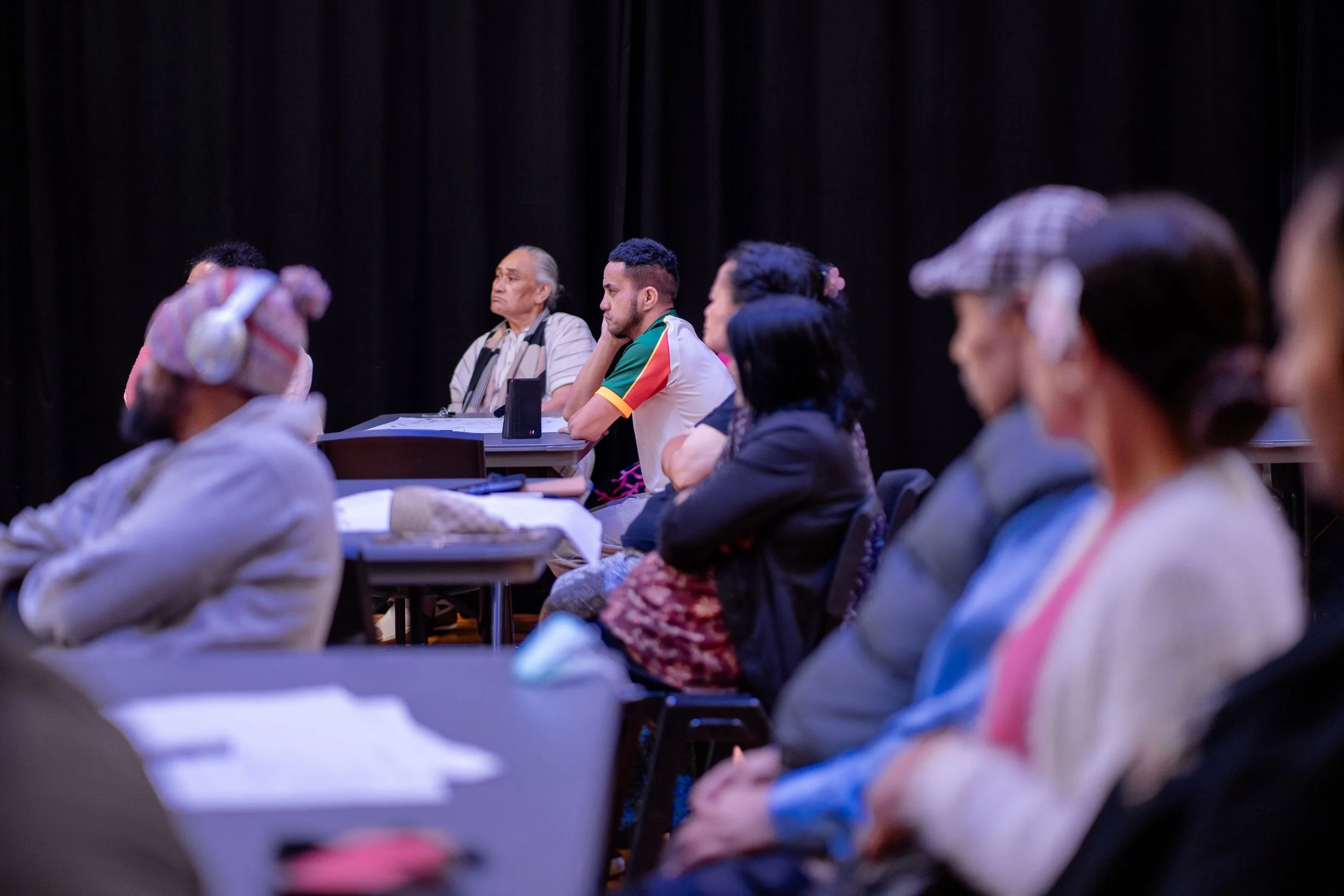
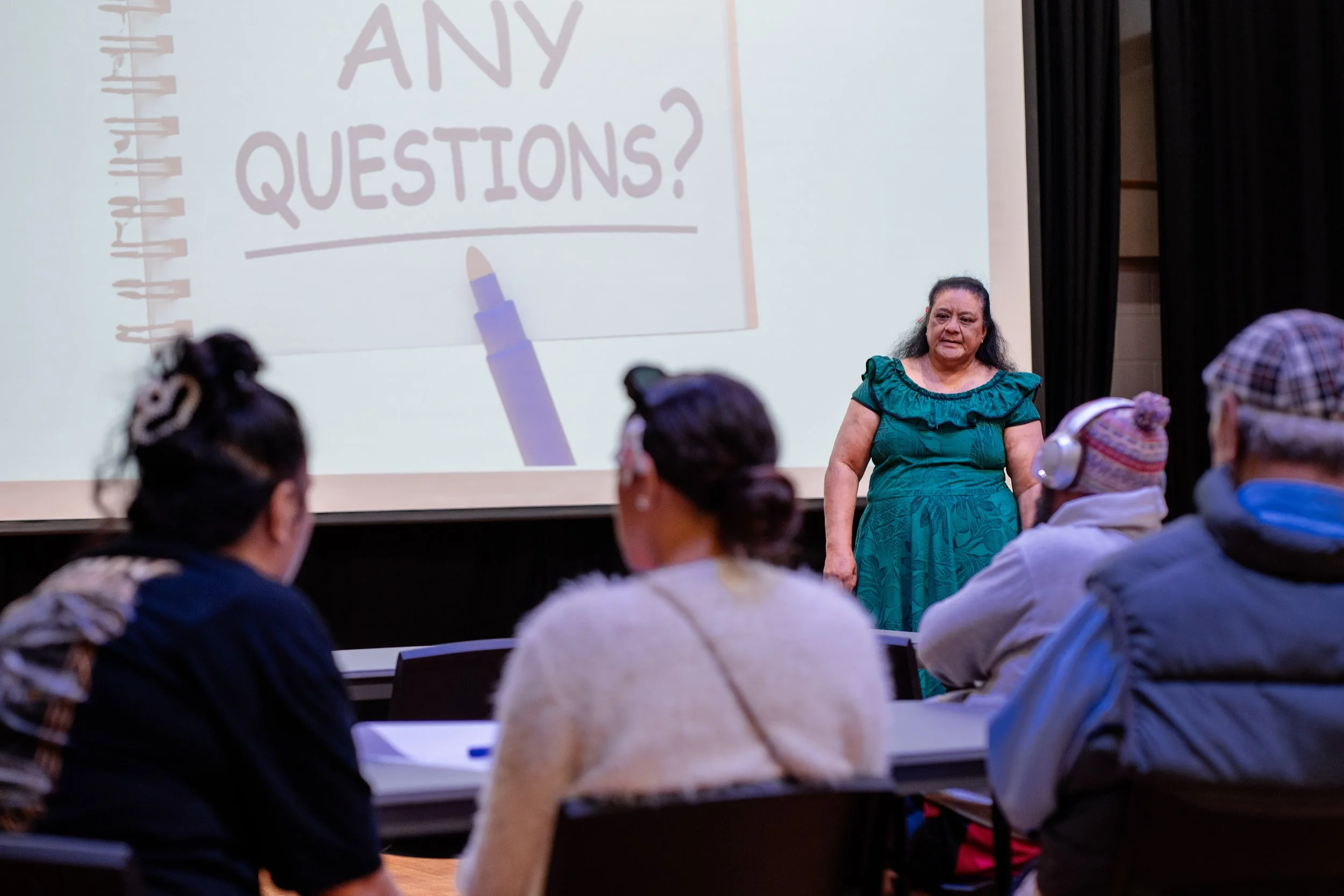
This workstream supported efforts to improve access to primary healthcare services through the development of a Provider Toolkit and Family Toolkit. This programme was led by Penina Trust. The Provider toolkit help to facilitate referrals between primary and secondary mental health services, while the Family Toolkit guides families in recognising mental health needs and accessing resources. Together, these toolkits enhance mental health awareness and streamline support across individual, family and provider networks. Through bilingual delivery, culturally grounded engagement, and streamlined referral pathways, the initiative improved access to mental health support, strengthens social connections and promotes early intervention within Pacific communities.
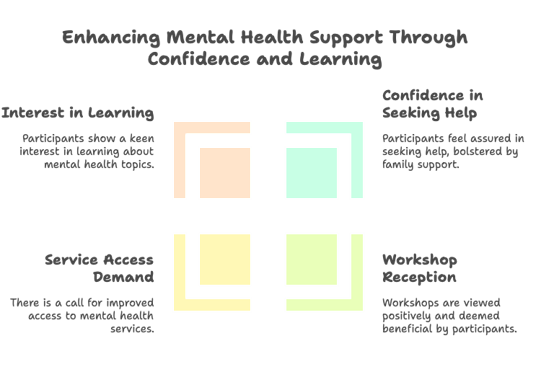
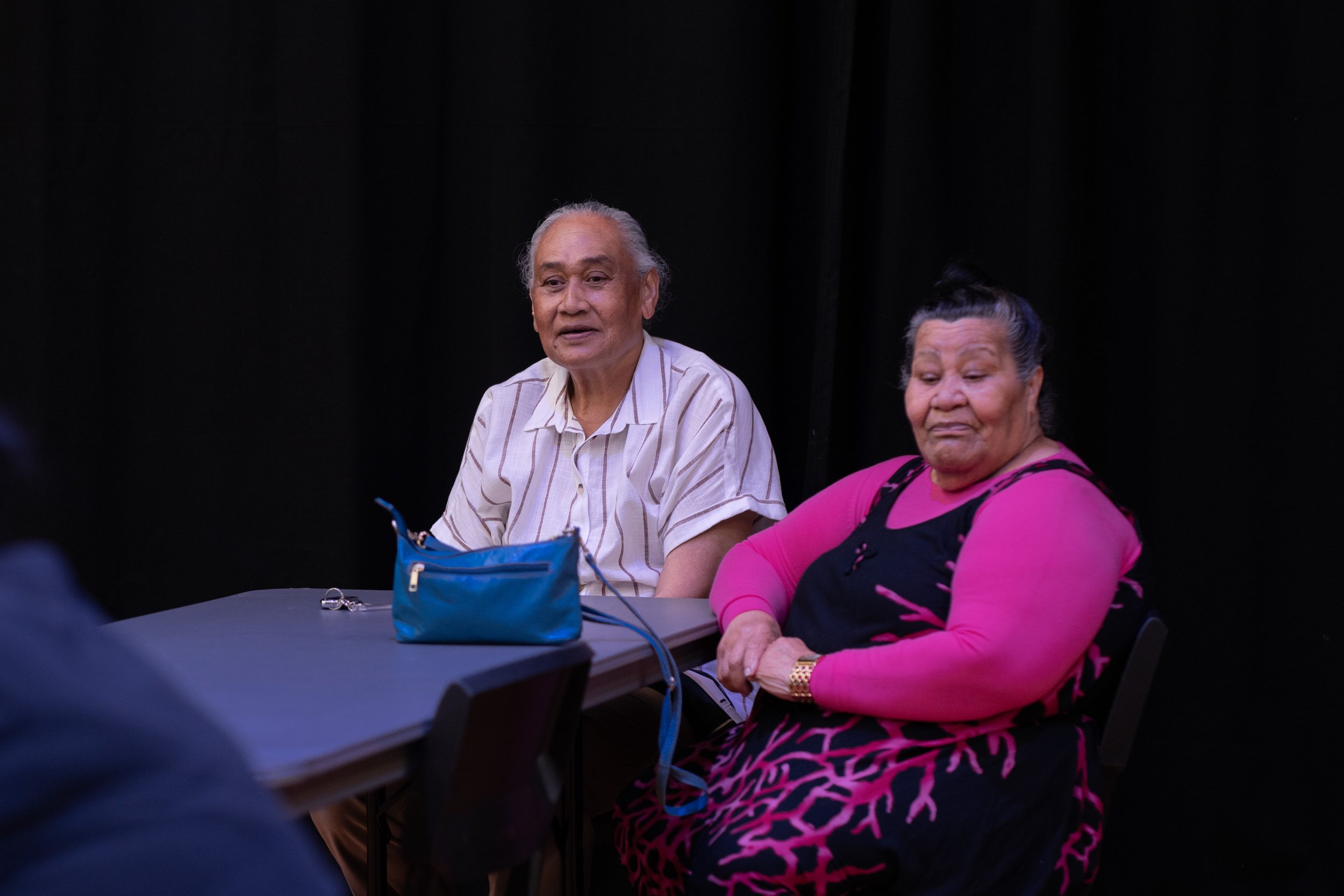
Mental Health Engagements highlighted
Community Outreach
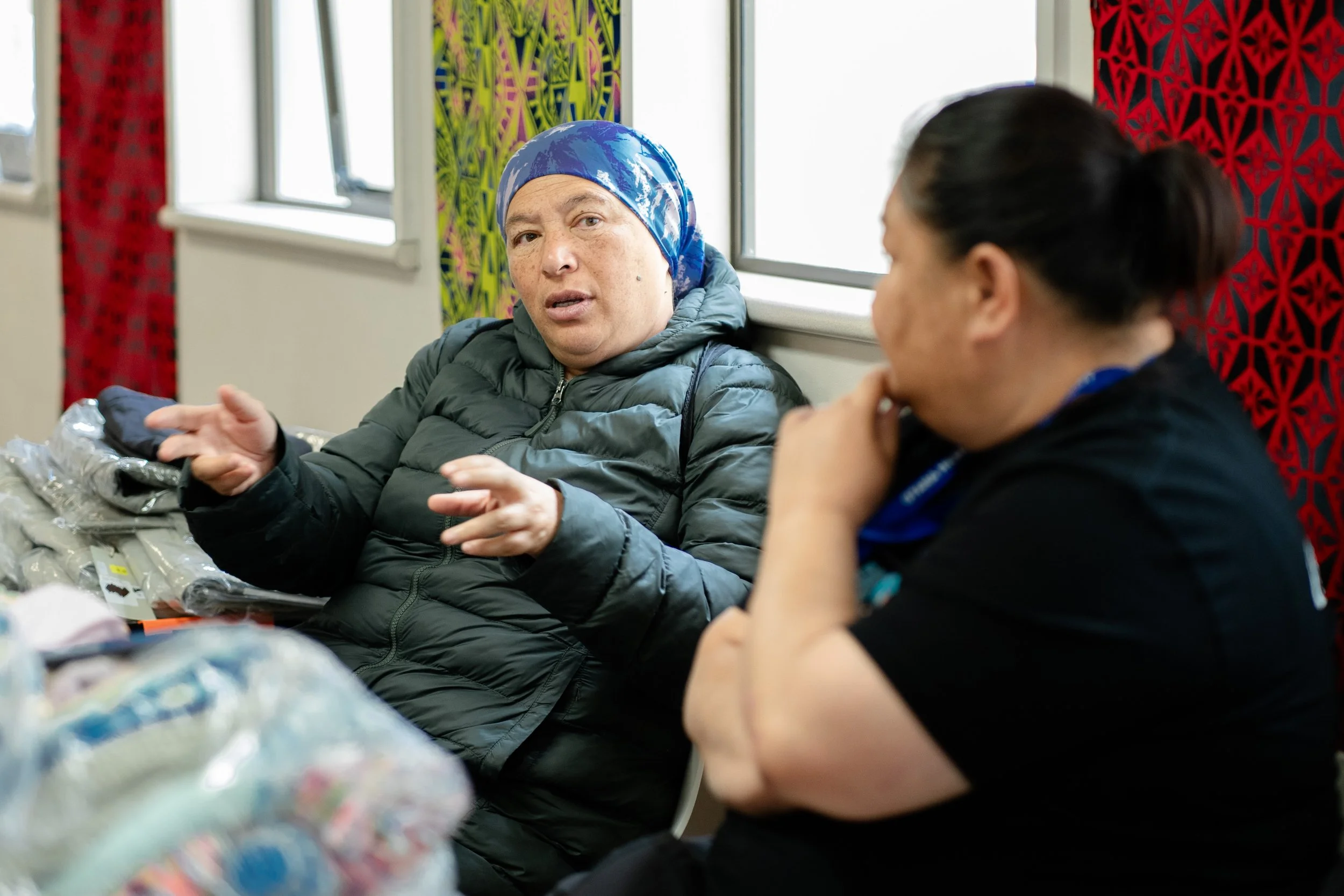
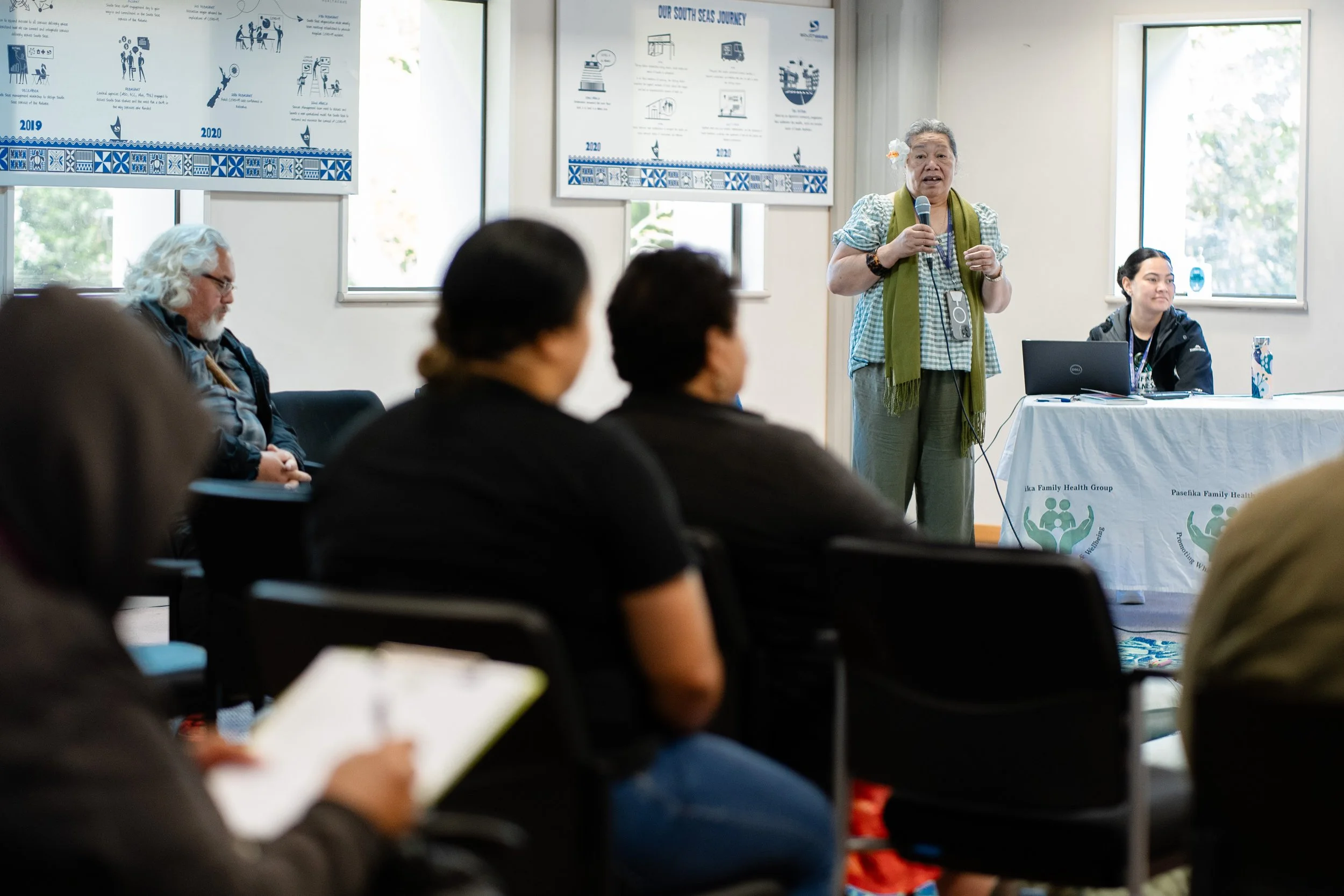
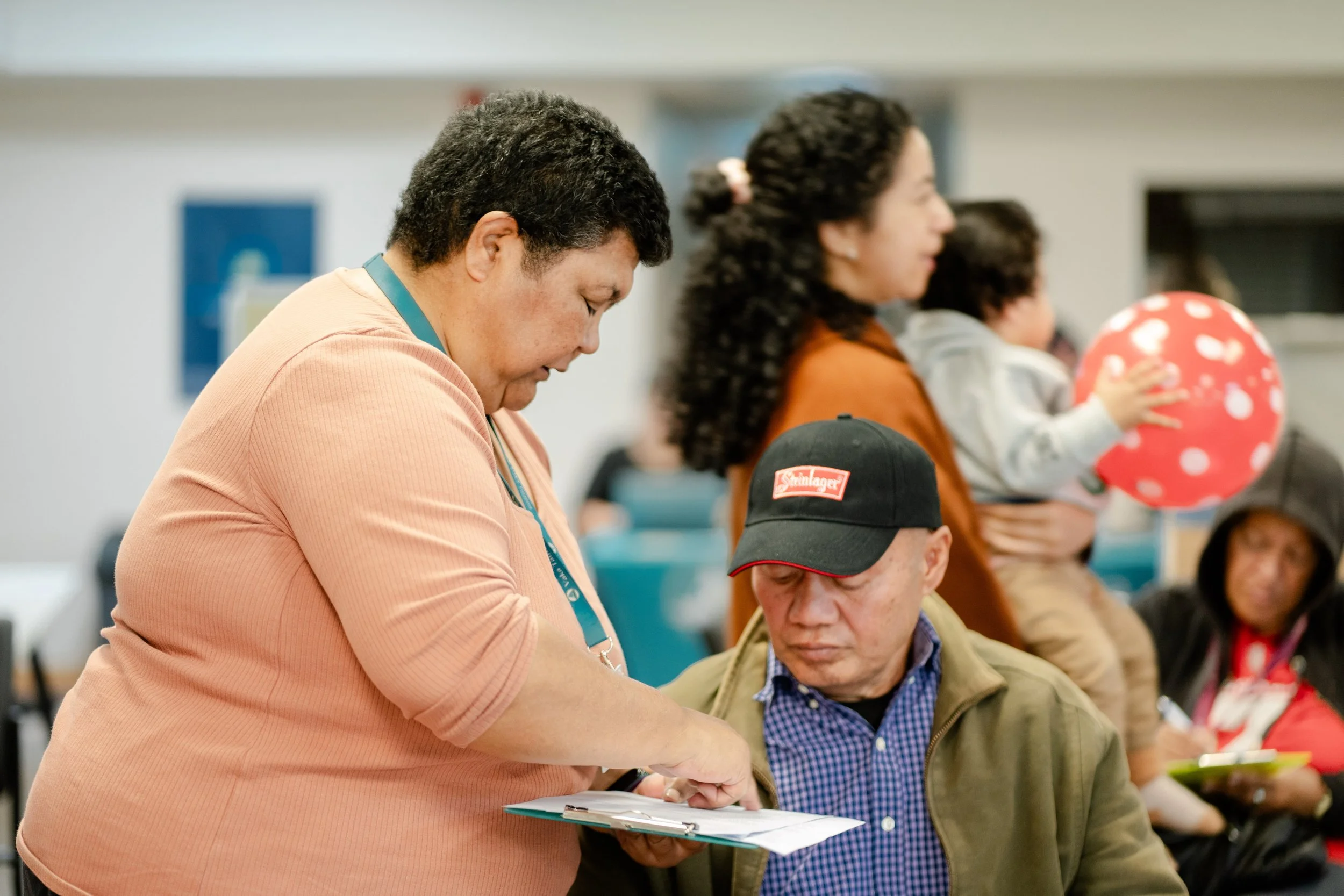
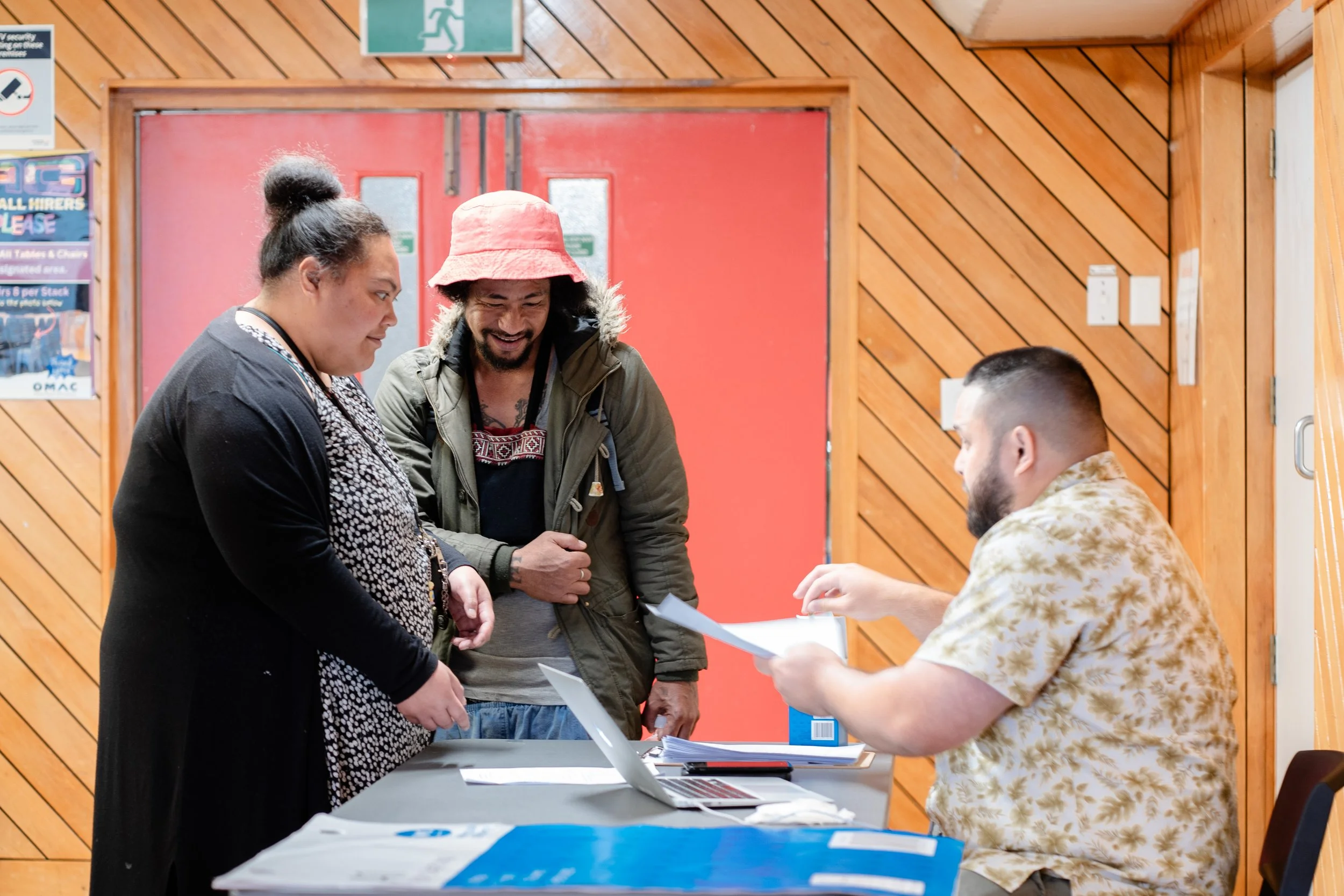
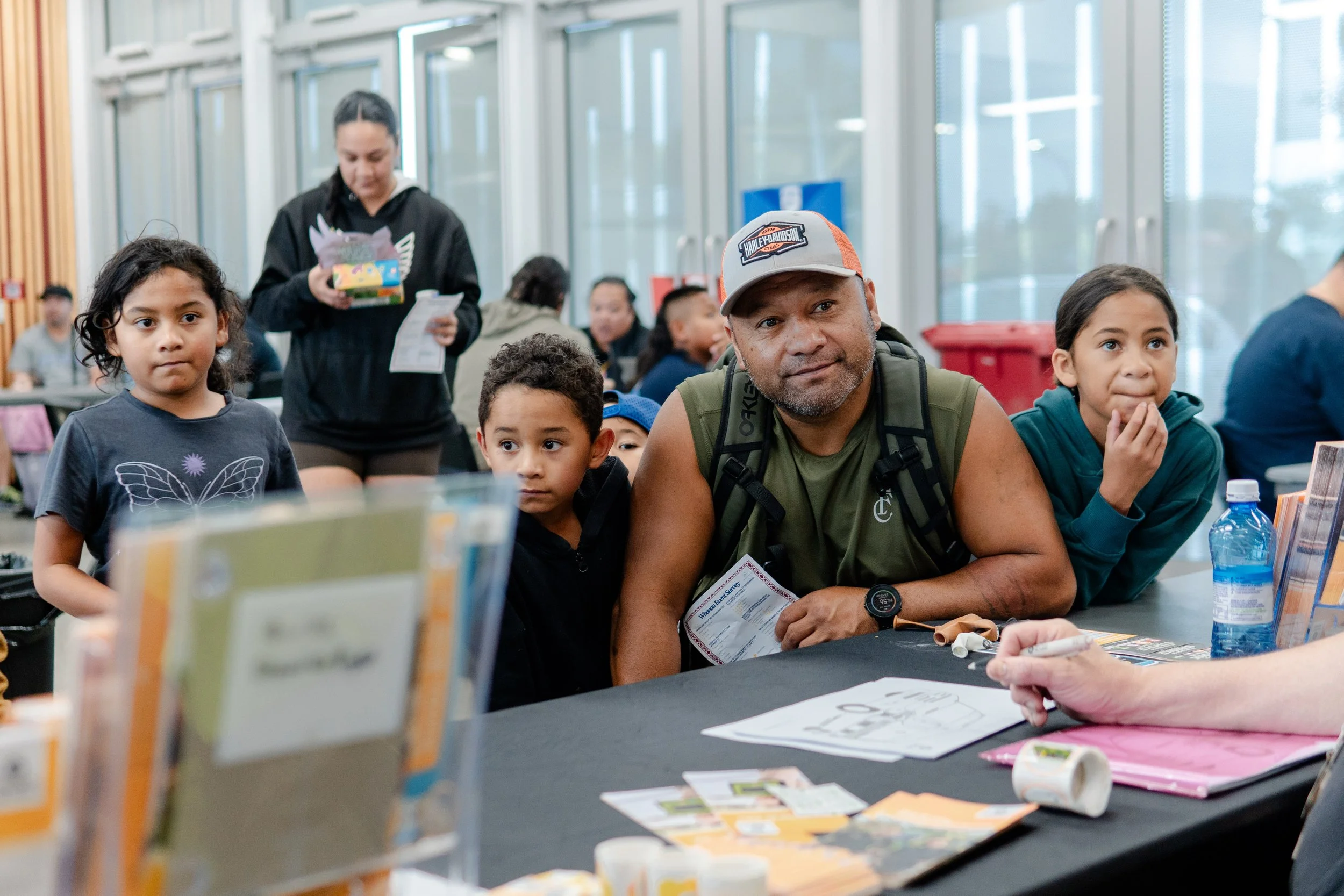
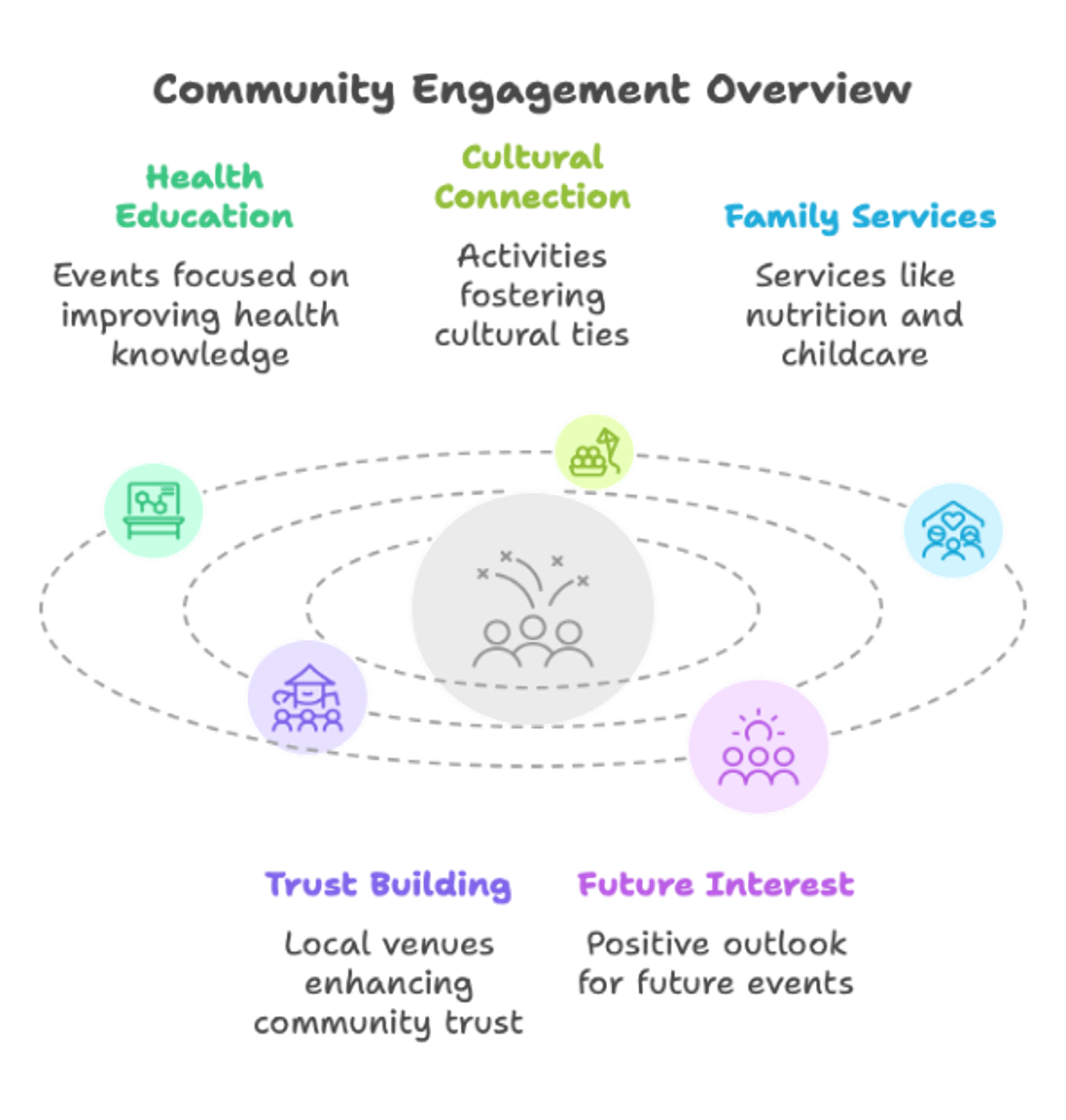
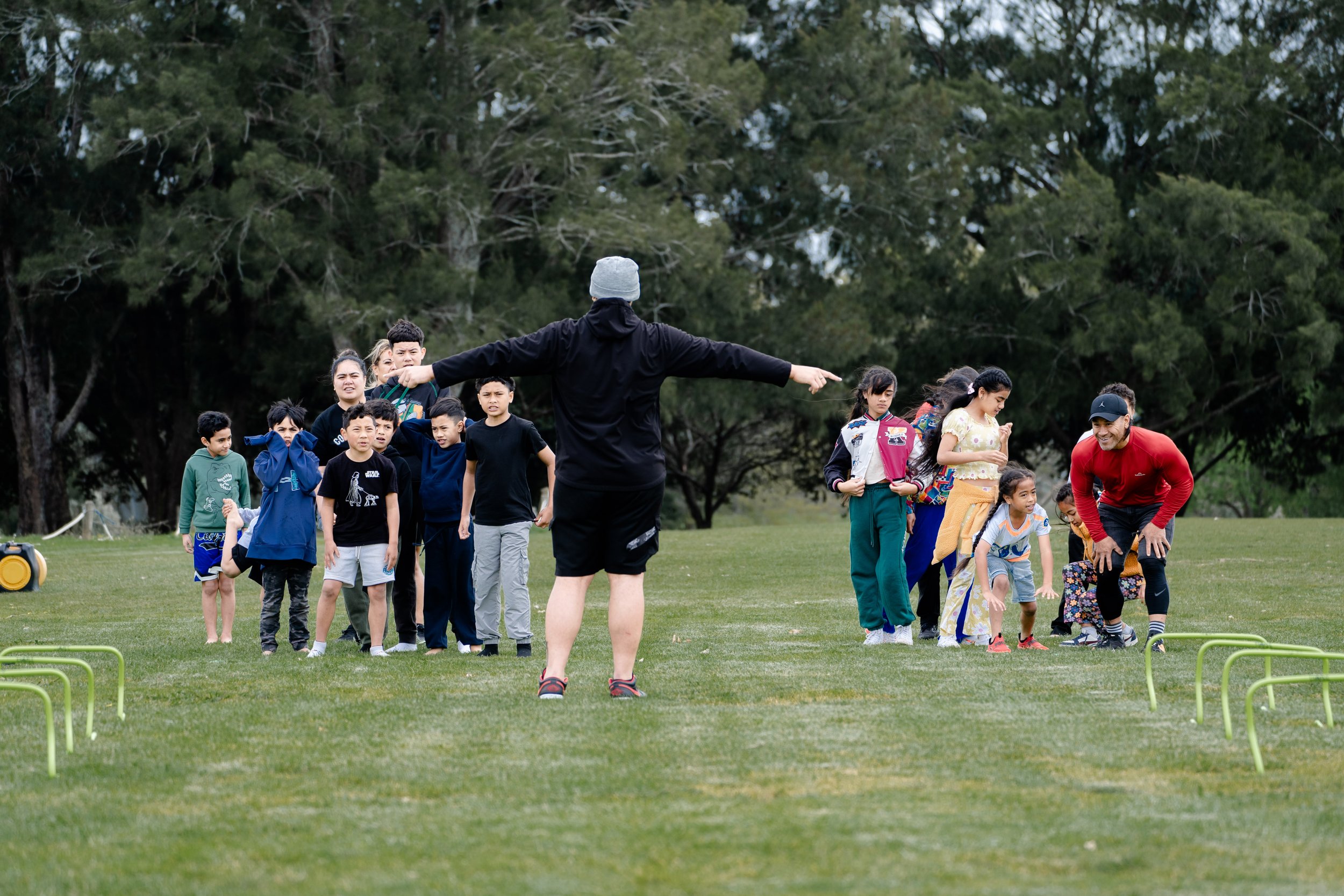
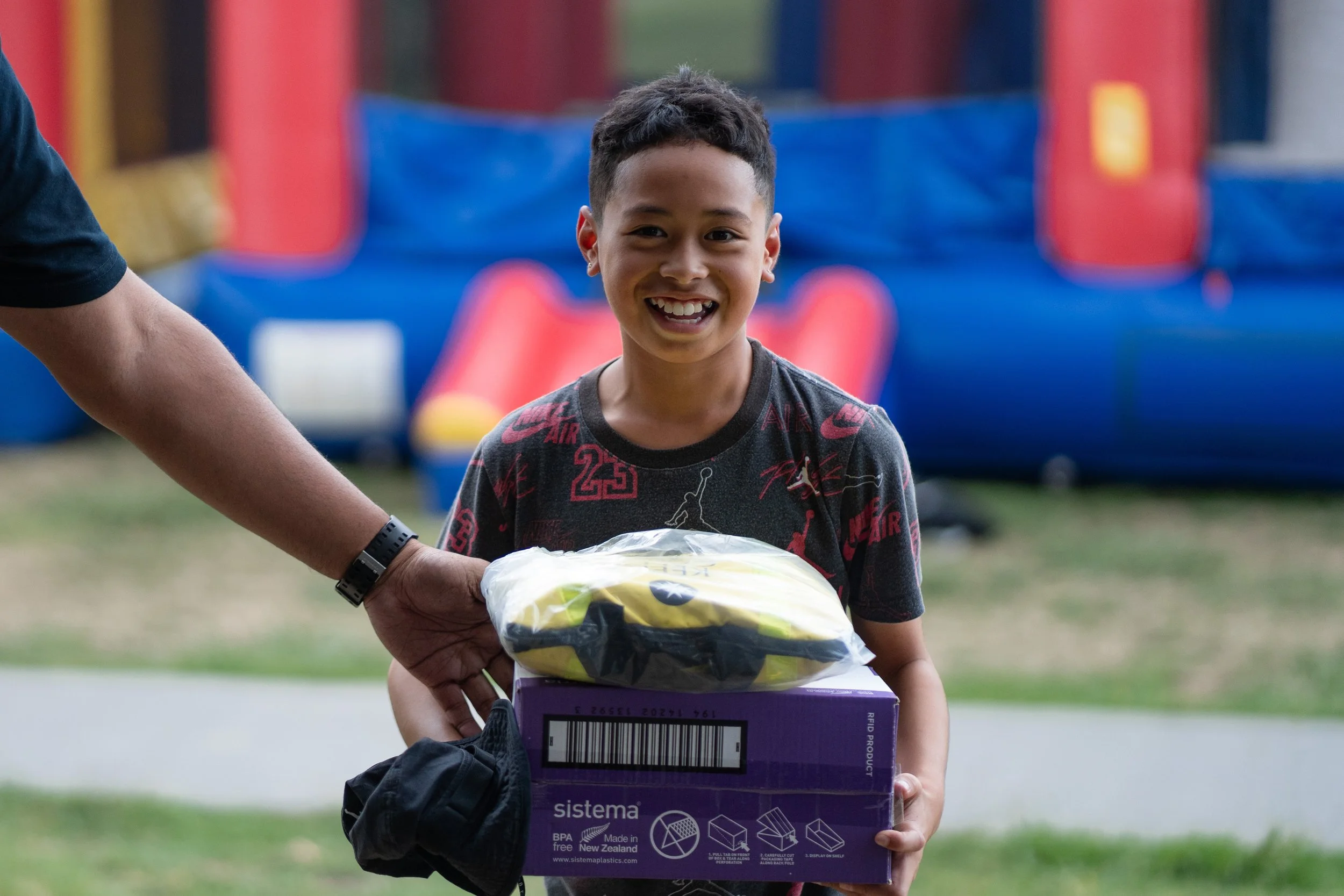
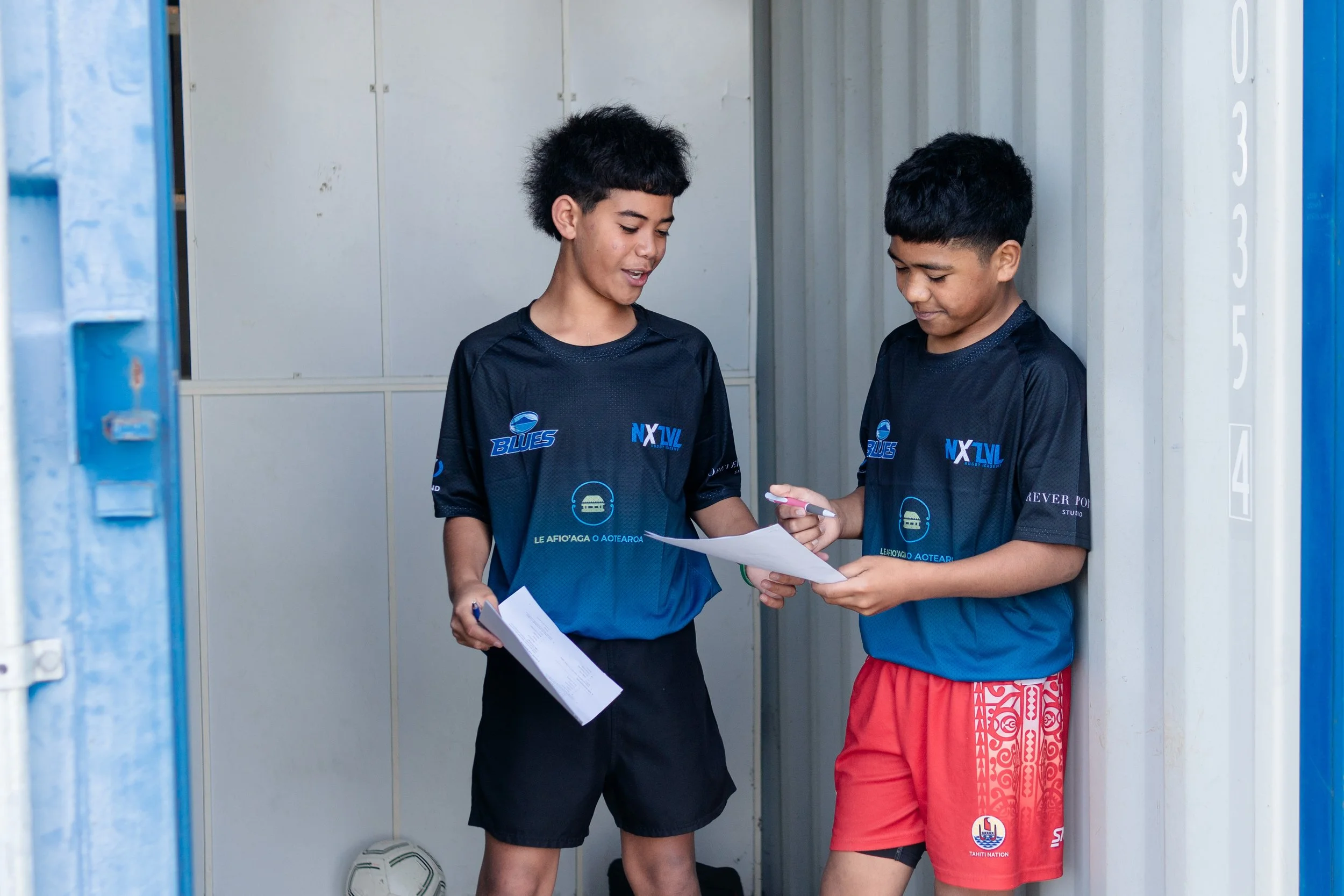
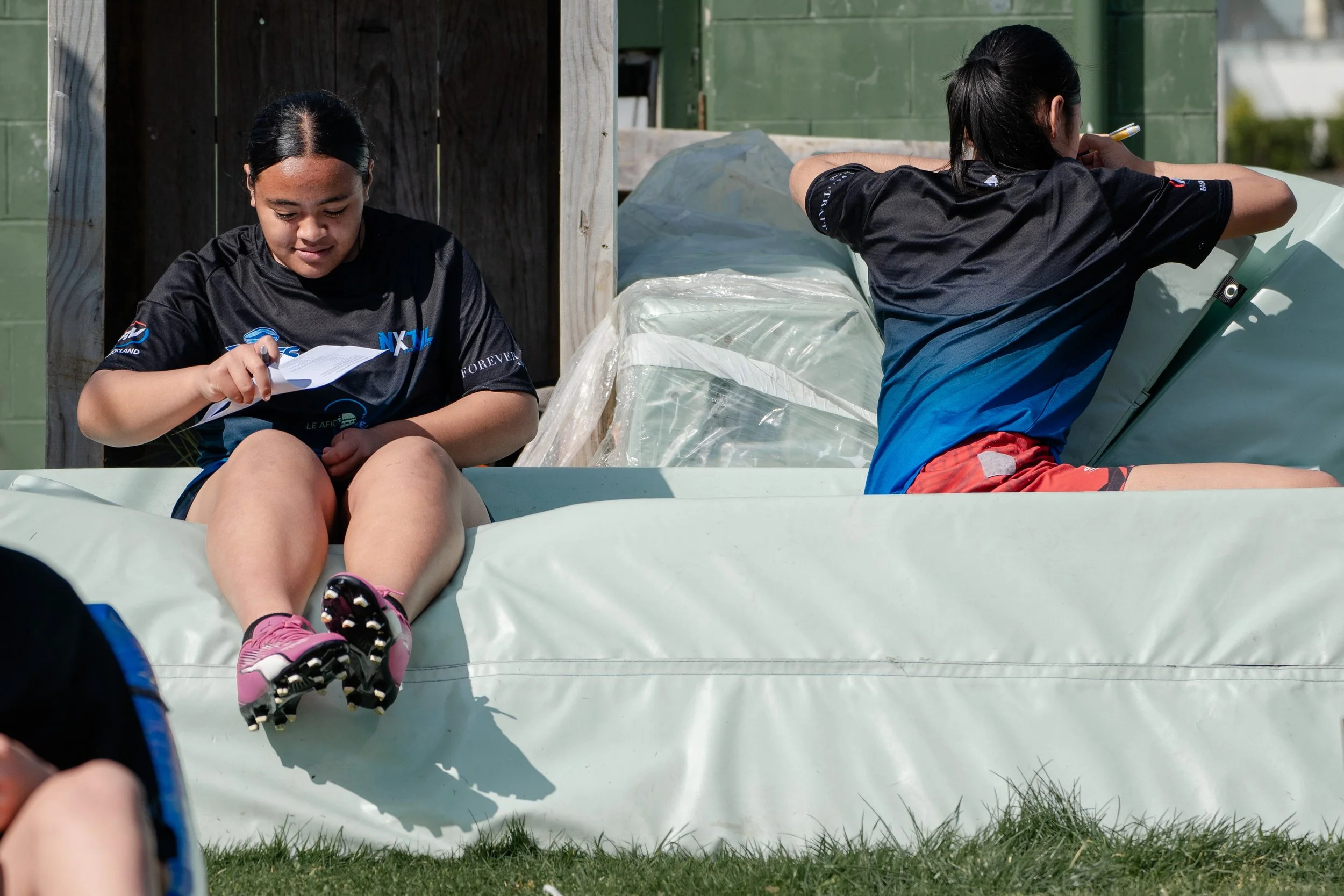
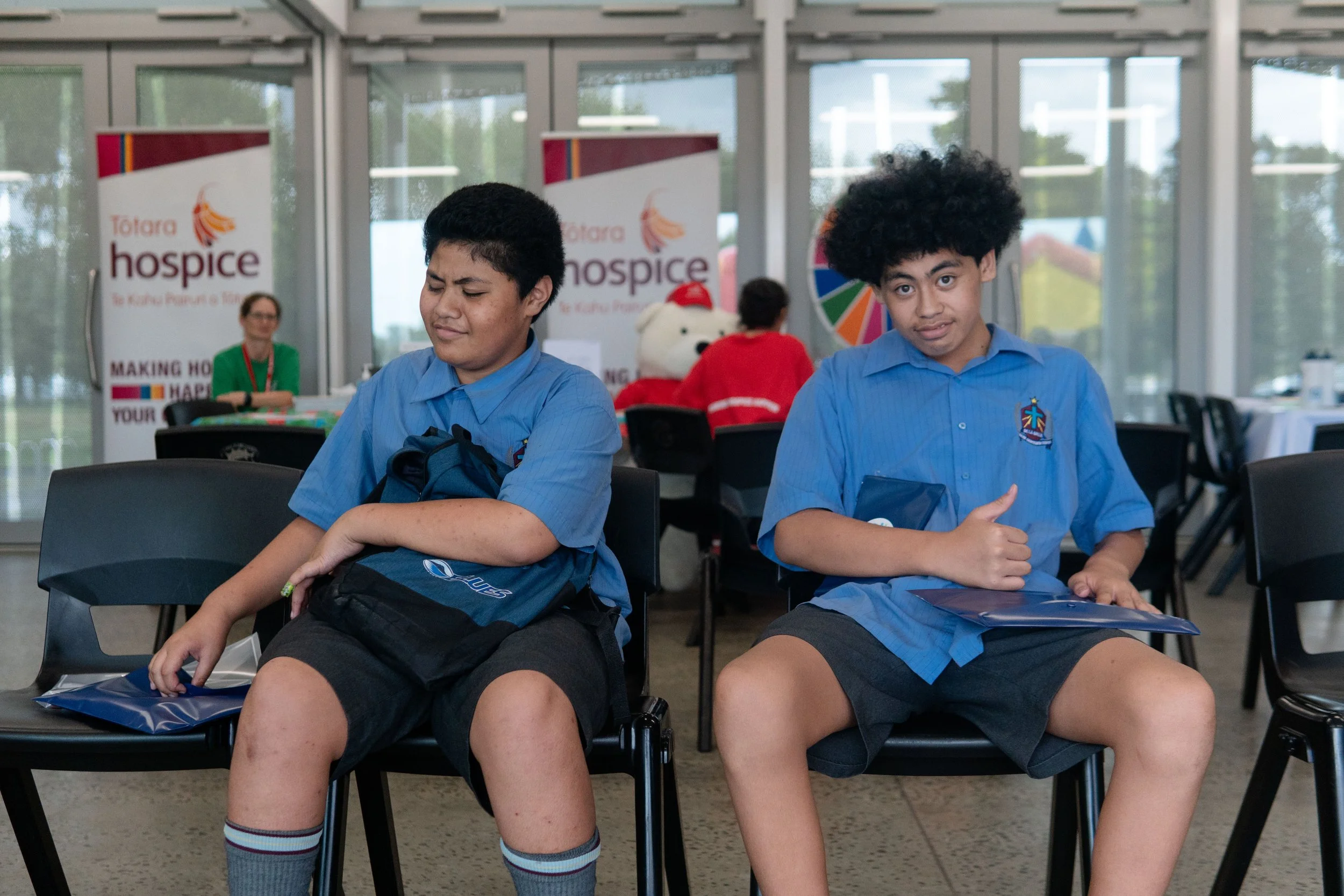
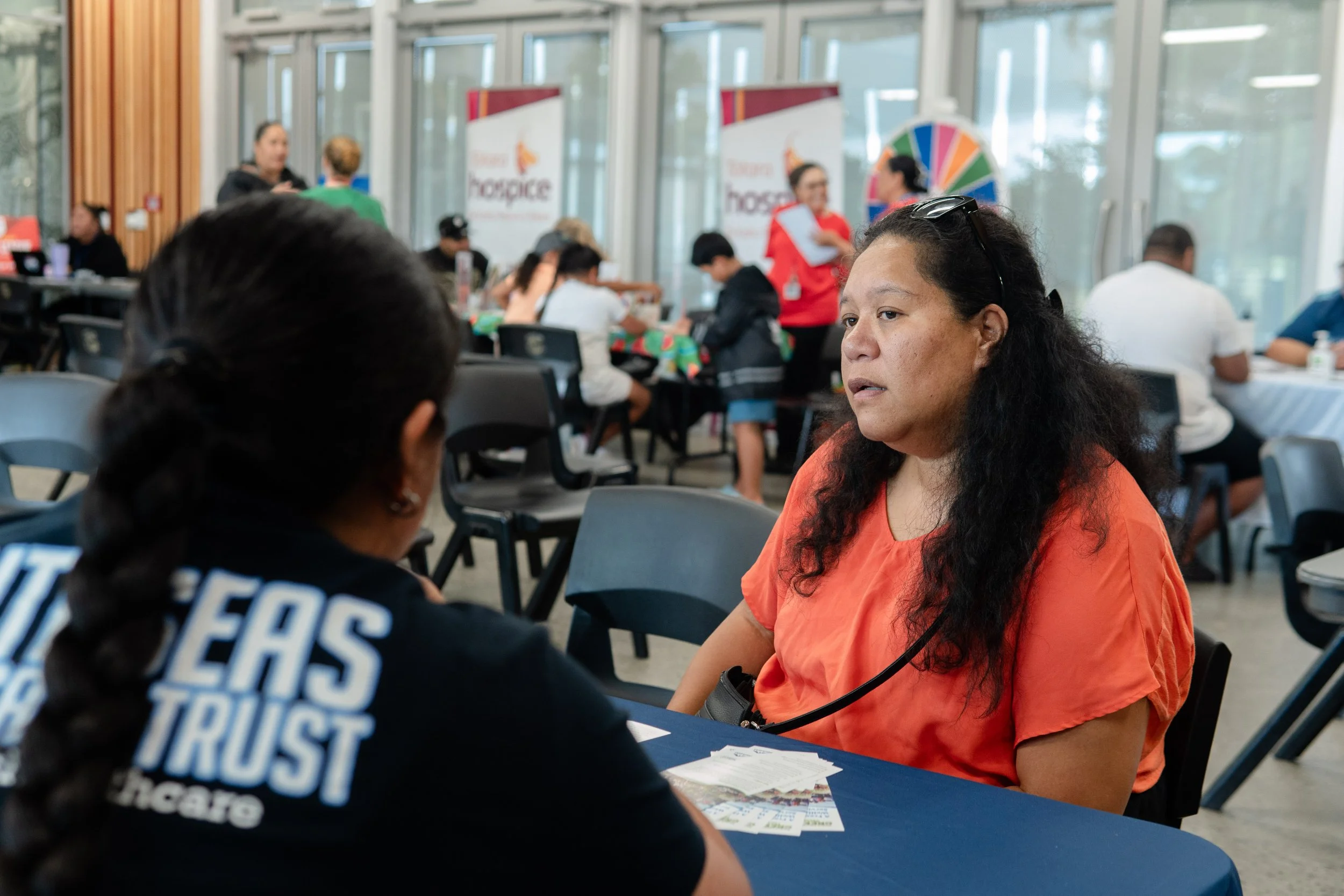
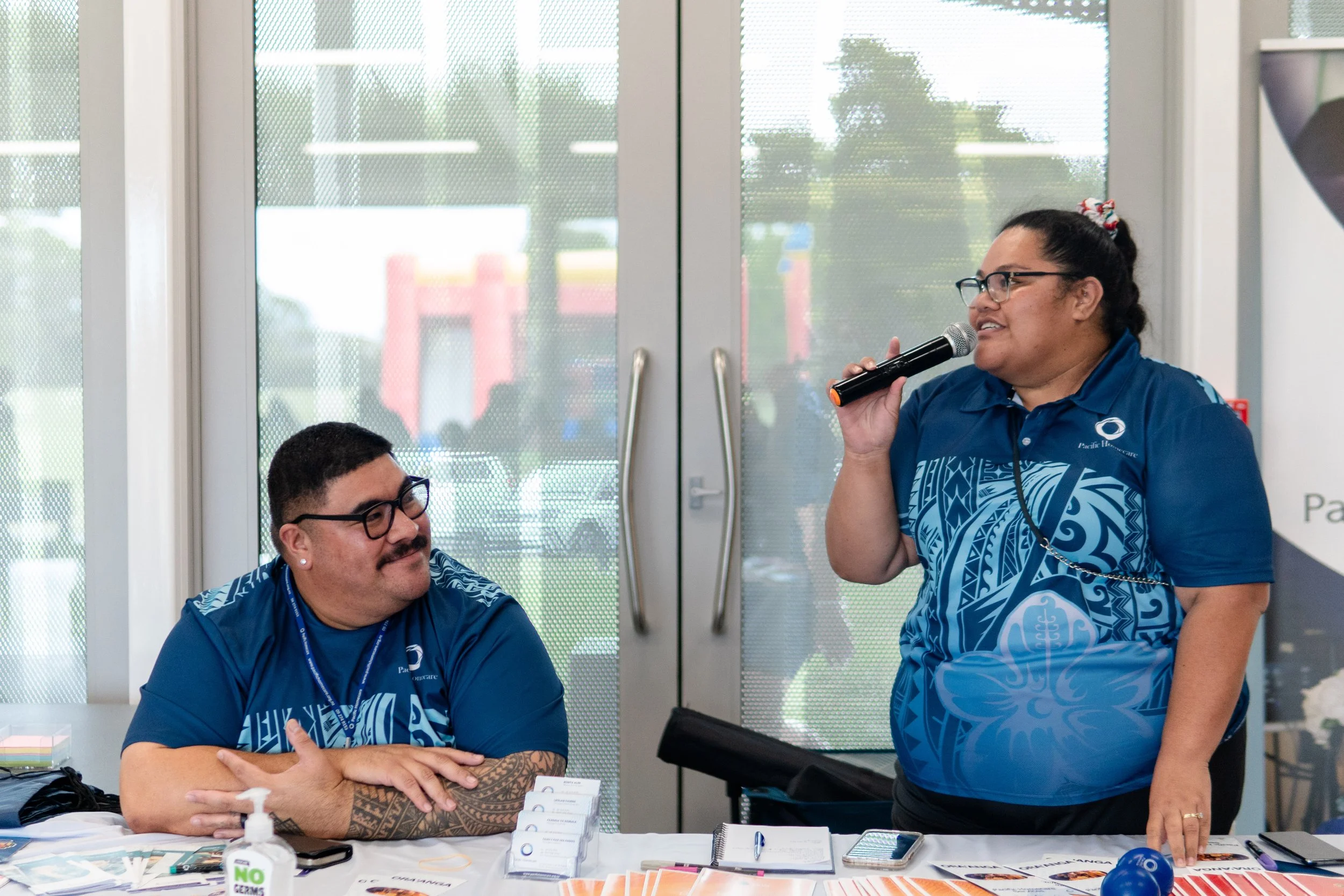
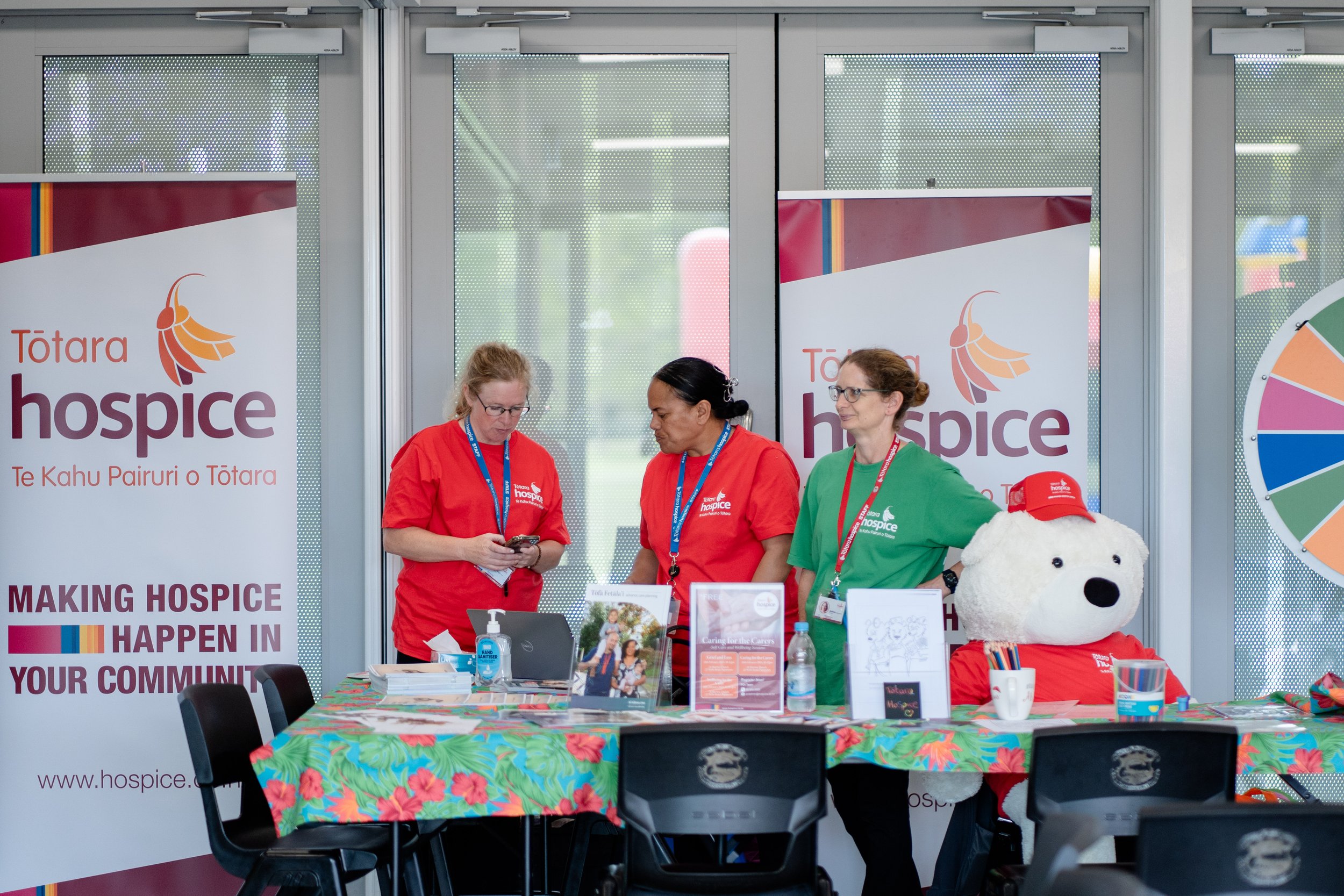
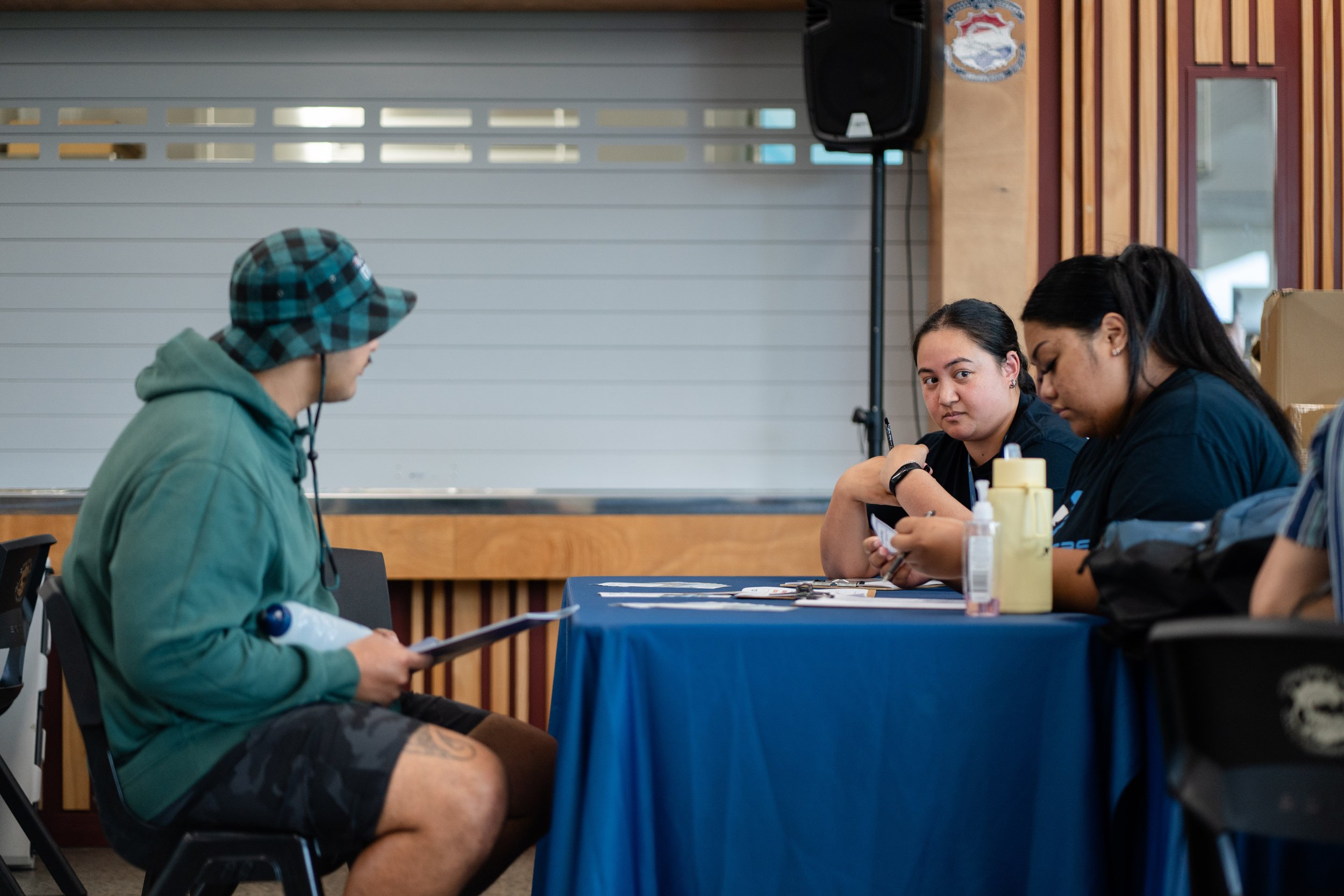
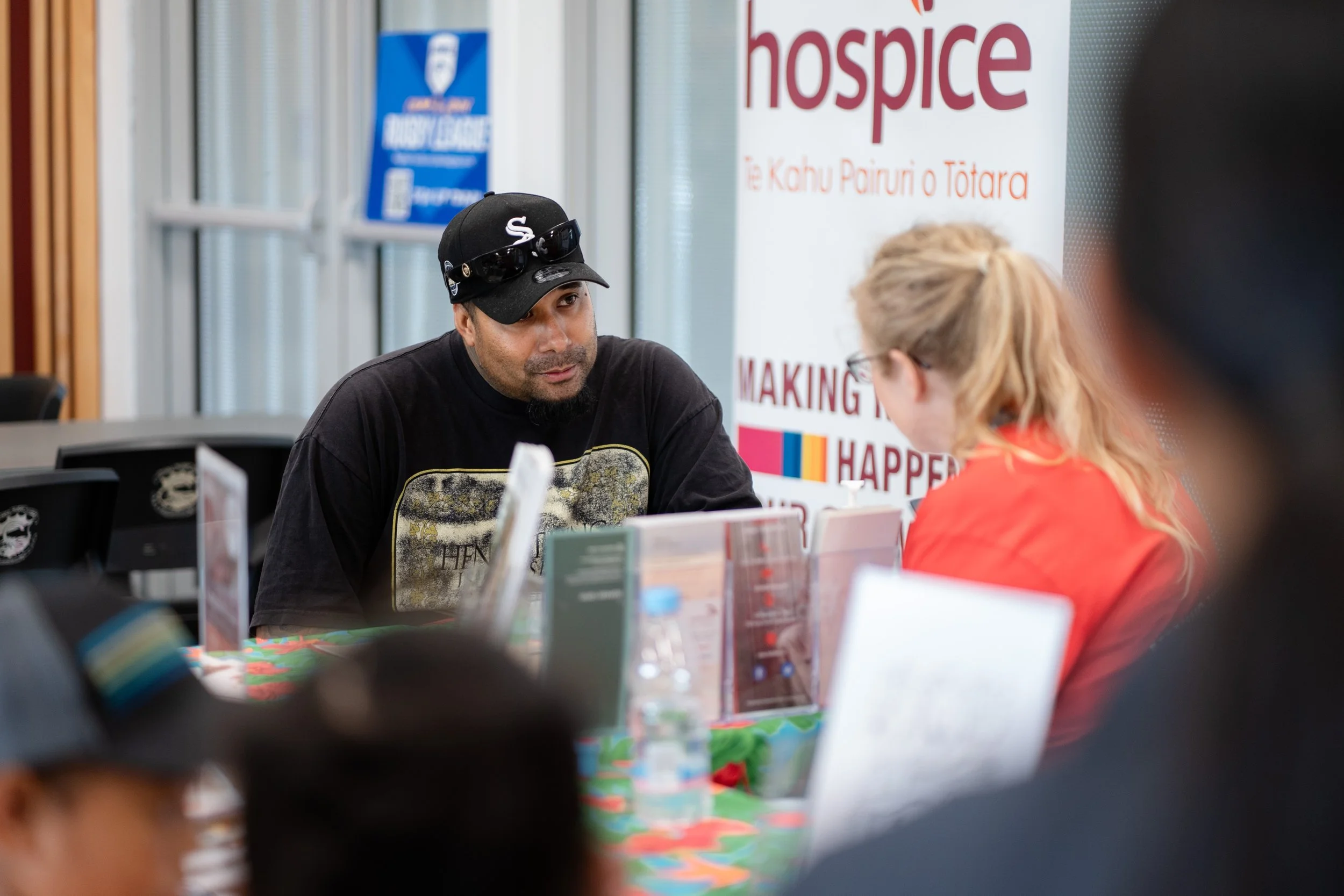
This workstream was designed to address key family and community needs in Ōtara through a series of community-based events. This programme was co-led by South Seas Healthcare Trust and Ōtara Scorpions. Activities delivered through these events helped improve communities’ access to important health and social services, by creating welcoming, family-friendly events that connect communities with trusted providers in a culturally safe environment where they already reside. Through health checks, referrals, and direct engagement with service providers, families were able to access information and support they may not otherwise have received. The high levels of participant satisfaction and willingness to attend future events demonstrate increased community trust, strengthened connections between families and services, and greater awareness of health and wellbeing needs. By combining outreach, cultural responsiveness, and wraparound support, the workstream has helped reduce barriers to care, promote early intervention, and strengthen community wellbeing.
Community Outreach Engagement Overview
Workforce Development
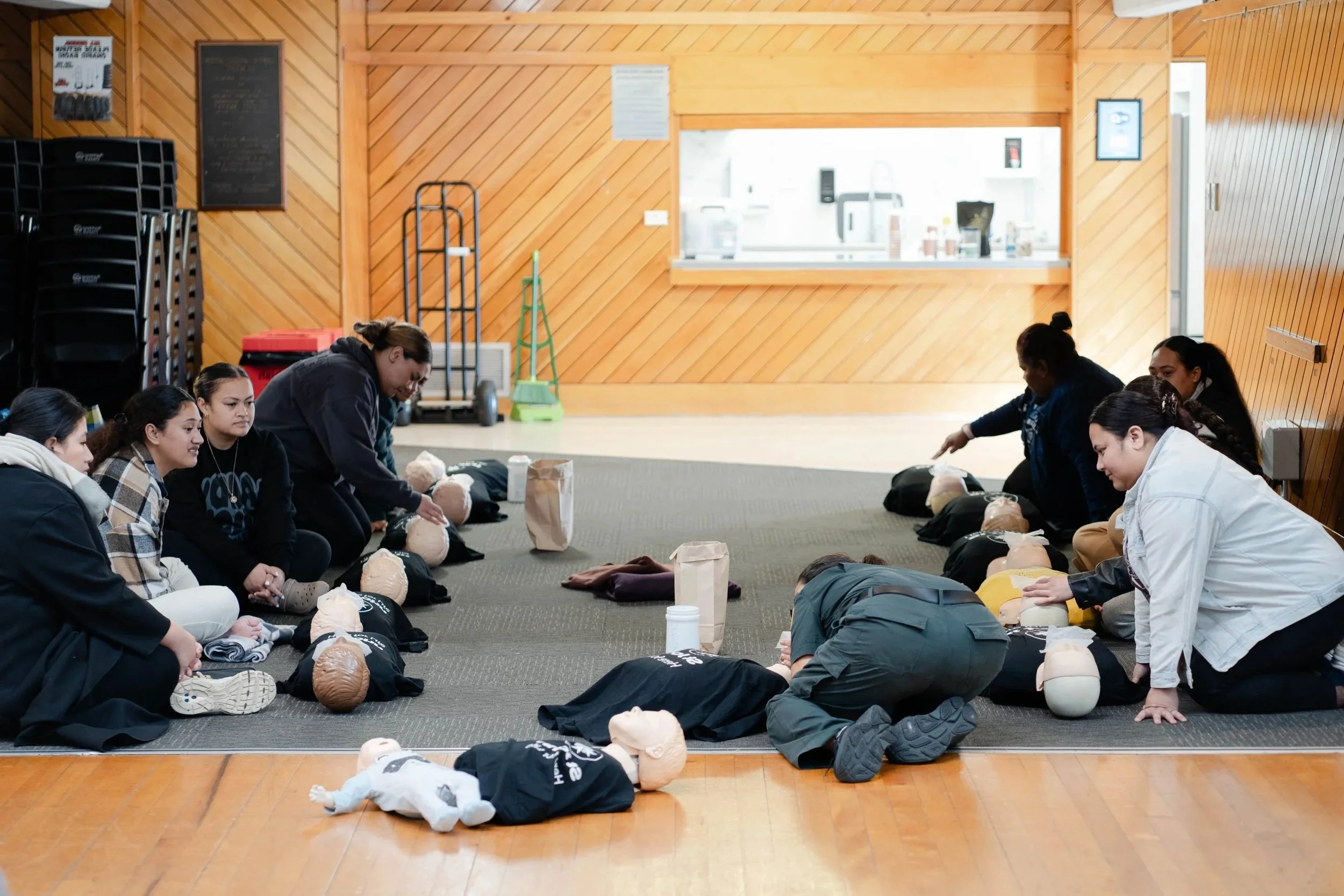
This workstream strengthened the capability of community and health service providers through the development of a coordinated Village Referral System and workforce training programme. By bringing partners together to co-design referral pathways, training resources, and models of care, the initiative aims to improve how families are connected to health, social, housing, and wellbeing services. This collective work focused on building workforce skills, standardising referral and data practices, and ensuring seamless follow-up support for whānau and āiga. Through collaboration, capacity building, and continuous improvement, the programme enhanced service integration, strengthens community outreach, and supports better outcomes for Pacific families and communities.

Nofo-‘a-kainga Spiritual Initiative
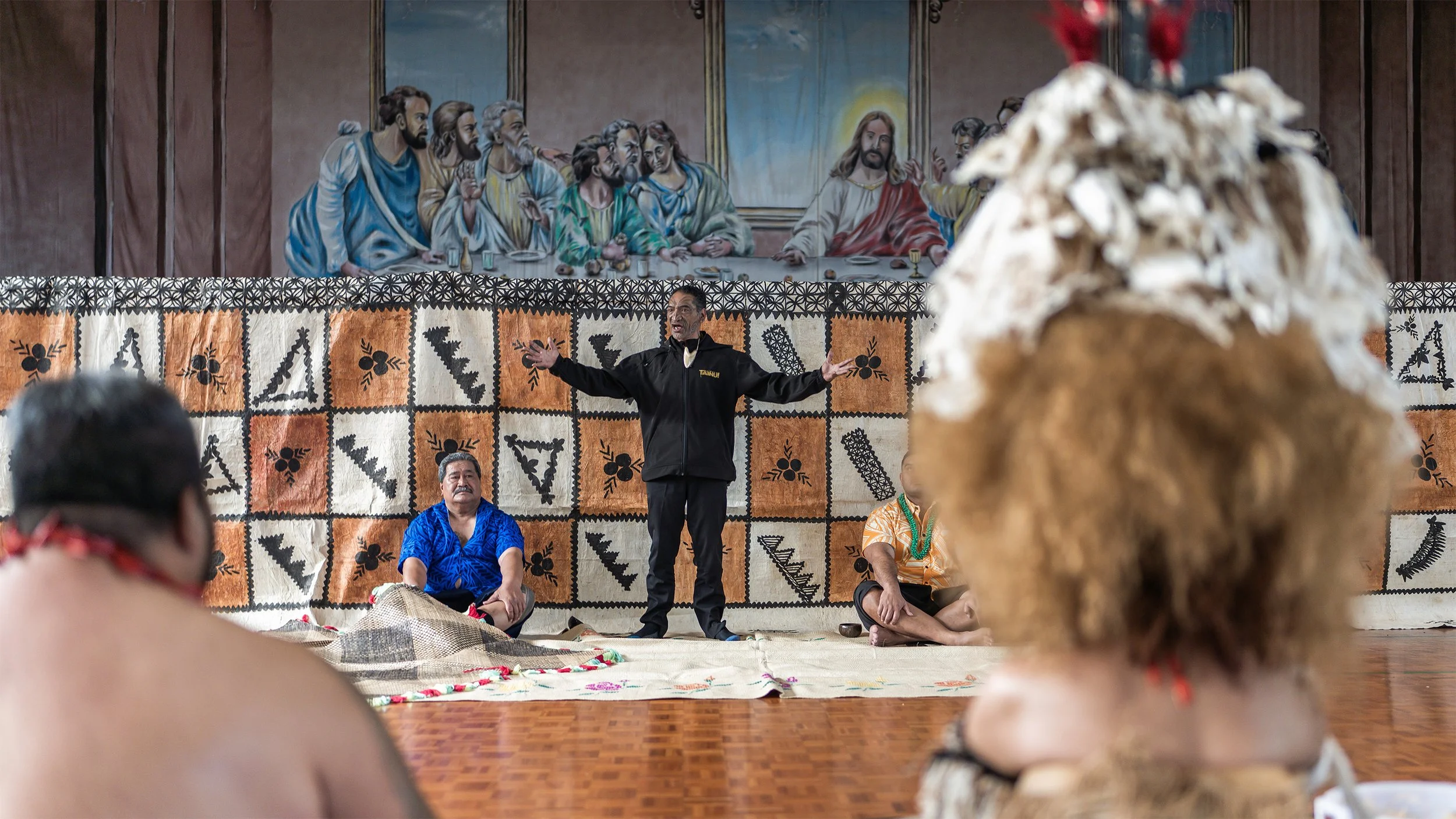
The Nofo-‘a-kainga – Spiritual Initiative is a values-led partnership built on faith, community and Pacific leadership. Delivered in collaboration with Le Afio’aga O Aotearoa placed whānau, faith, and community leadership at the heart of health and wellbeing initiatives. Spiritual partners actively co-designed Health and Wellbeing Plans tailored the unique needs of their respective congregations, addressing priority areas such as mental health, financial literacy, elderly support, youth leadership, obesity prevention, and access to culturally safe health services.
Since 2024, Le Afio’aga O Aotearoa partnered with spiritual groups in the Ōtara-Papatoetoe community, taking a supportive, flexible approach to health and wellbeing. Le Afio’aga O Aotearoa initially engaged twelves spiritual groups with seven confirming availabilities to actively participate in the initiative that aligned with their readiness and capacity.
By 2025, all spiritual groups completed a tailored health plans focused on priorities like youth mental health, elderly care, and healthy living. Some built on existing work, while others launched new community-led initiatives. This journey affirmed the meaningful, lasting change takes time – driven by community ownership, trusted relationships, faith-led leadership.
Insights from our spiritual partner engagements highlighted:
• Enhance alignment between partner needs and support provided across Physical, Mental, and Spiritual wellbeing
• Increased participation and engagement in initiatives promoting holistic health.
• Strengthened relationships and communication channels between all stakeholders.
• Clear identification of areas for future development and collaboration.
Spiritual Partners that were engaged through this initiative included:
Samoan Methodist Church – Ōtara
Mangere Congregational Church of Jesus (CCCJ)
St John Catholic Church – Ōtara
EFKS Ōtara Samoa
Tokaima’ananga Tongan Methodist Church - Ormiston
St. Peter Chanel Parish – Clover Park
EFKS Mangere – Puaseisei